
Wading Boots Buyers Guide

Wading Boots - Overview
Wading boots are about footing and confidence.
When your boots feel solid, you move confidently through current, stay balanced on slick rock, and finish the day without thinking about your feet being sore. In Canadian rivers — cold water, uneven bottoms, changing flows — that stability matters.
A good pair supports your ankles, grips consistently, and stays comfortable through long stretches of wading and walking.
This guide focuses on traction, support, durability, and how those pieces line up with the rivers you fish most.
What matters most in Wading Boots
When choosing wading boots, a few factors have the biggest impact on safety and comfort on the water.
- Traction and outsole design: Traction shapes everything. Modern rubber soles provide dependable grip across a wide range of riverbeds. Aggressive tread patterns help on slick rock, and stud-compatible soles let you add extra bite when rivers get especially slippery. Felt is an excellent choice when on smooth rock surfaces as you'll find in many parts of eastern Canada, however they can freeze in winter and lack the bite you would like to have on soft surfaces like mud and algae covered rocks. For this reason, rubber soles are most versatile.
- Ankle support and stiffness: Support keeps you steady. Boots with structured uppers and solid midsoles feel more planted in uneven current and reduce fatigue over long days. When you’re stepping across boulders or carrying a pack, that added stability goes a long way.
- Weight & Flexibility: For the angler who hikes, having a lighter weight boot with greater flexibility may be preferred over a heavier (possibly more supportive) boot.
- Fit with waders and layering:
Boots should accommodate the neoprene wader feet and socks without feeling tight or sloppy. A proper fit improves control and reduces hot spots during long walks. Most anglers will size one full size up from their regular shoe size for wading boots, though if fishing in winter sometimes people will size up as much as two full sizes. - Durability and materials determine long-term value. Frequent river use, hiking, and repeated immersion place real stress on boots. Higher quality boots with well-built uppers, solid stitching, and reinforced toe areas tend to hold up far better over multiple seasons.
Focusing on traction, support, and fit will lead to safer footing and more comfortable days.
A Few Things to Keep in Mind
- You’ll likely spend more time walking and standing than you expect. Comfort and support add up over hours.
- Boots that feel stable from the first step tend to stay in rotation for years. When traction, support, and fit all line up with your water, you move more confidently - and that changes the whole day.
Wading Boots Decision Checklist
Before choosing wading boots, consider the following:
- What kind of riverbed do you fish most often?
For example, slick rock and algae-covered stones benefit from aggressive rubber outsoles or stud-compatible boots that bit into the soft surfaces, while felt works best on clean, smooth rock surfaces best. - How much support do you need?
If you wade uneven terrain, carry a pack, or fish stronger current, a more structured boot adds confidence and reduces fatigue. If you’re mostly on moderate riverbeds with shorter sessions, a lighter, more flexible build can feel great. - Do the boots fit properly with your waders?
Your boots should feel secure without pressure points. Too tight restricts movement and circulation.
Too loose reduces control and stability. Bring your waders when possible — fit matters more than sizing numbers. - How much walking or hiking do you do?
If you cover long stretches of river, weight becomes a priority. If access is short and direct, grip and structure may matter more than hiking feel. - How often do you fish?
Frequent use tends to justify stronger materials and reinforced construction. Occasional trips may not demand the same level of build.
Answering these questions will help narrow your choices to boots that offer better stability, safer footing, and all-day comfort on the water.
Takeaway
The right wading boots feel stable, supportive, and comfortable from the first step into the river.
When traction and fit are dialed in, you move with more confidence and less fatigue. A well-matched pair lets you focus on fishing instead of your footing — and that’s exactly how it should be.
If you’re unsure which outsole or level of support suits your water best, we’re always happy to talk it through. We fish these rivers too and can help you find something that feels right underfoot.
Staff Wading Boots Picks
- Simms Tributary Wading Boot (Beginner)
We often point anglers to this boot as a dependable starting option, offering solid traction and support for occasional use without overinvesting early. - Patagonia Forra Wading Boots (Smart Upgrade)
This is a staff go-to for anglers looking to step up in comfort and support, with a lighter, more refined feel that works well for longer days and varied terrain. - Simms G3 Guide Boot (Premium Upgrade)
Our staff consistently recommends this boot for anglers who fish hard and often, thanks to its exceptional stability, durability, and support in demanding river conditions.


Simms - Tributary Wading Boot - Rubber
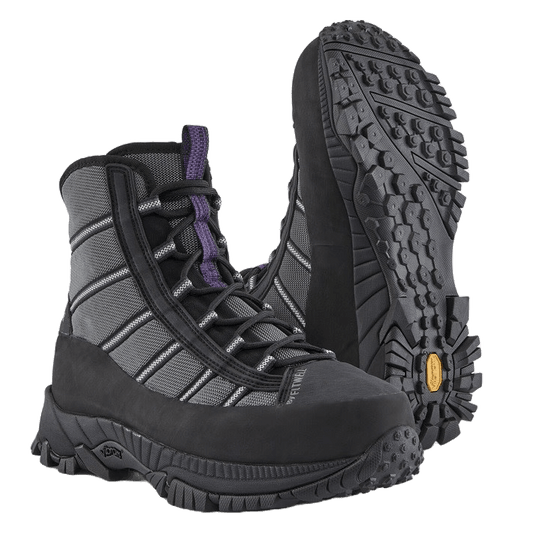
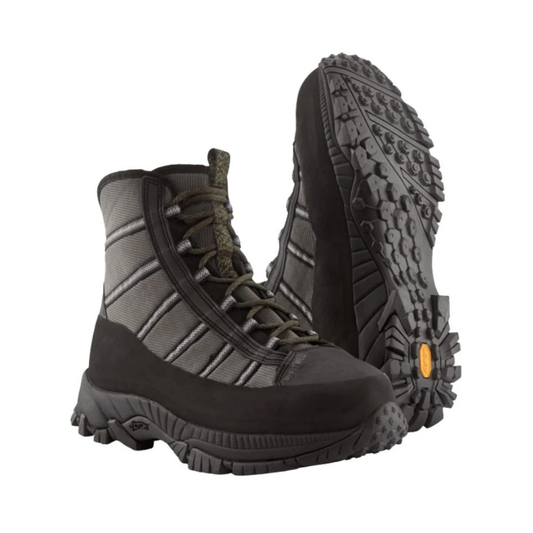
Patagonia - Forra Wading Boots
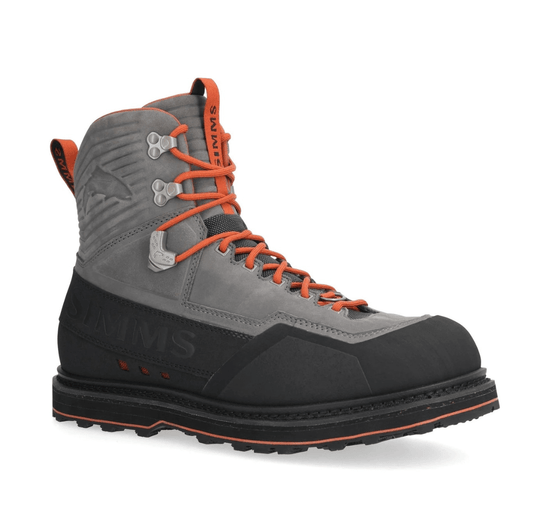
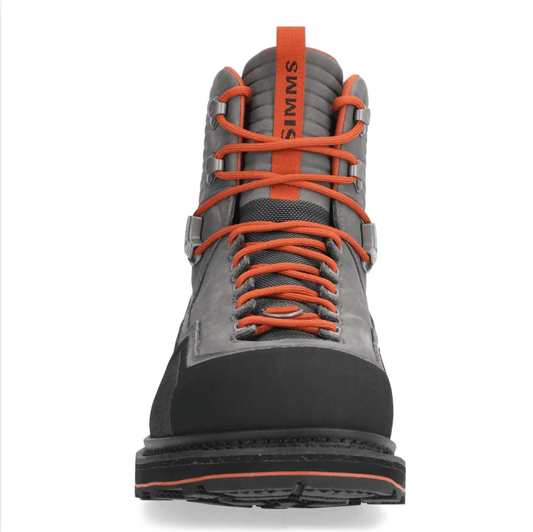
Simms G3 Guide Wading Boot Vibram Sole
Now that you know what to look for, explore our full collection of wading boots and choose the pair built for your water and wading style.
We're here to help
If you’re unsure about any of the Wading Boots or info in this guide, you don’t have to figure it out alone. Helping anglers sort through gear decisions is what we do every day, whether it’s your first setup or a thoughtful upgrade.
If you’d like a second opinion, give us a call (647-347-7370) or hit the button below. We’re always happy to help - and remember, we’re anglers too.
Chris Krysciak - Store Manager