
Fishing Waders Buyers Guide

Waders Buyers Guide - Overview
Waders are about comfort, mobility, and protection.
When they fit properly, you move naturally, stay balanced in the river, and fish longer without thinking about what you’re wearing. In Canadian conditions with cold water, & shifting weather, that comfort matters.
A well-fitted pair becomes something you barely notice once you’re in the water. The right cut, durable fabric, and solid construction make all the difference over a full day of fishing.
This guide focuses on the pieces that really shape that experience: fit, durability, build quality, and how those choices line up with the water you fish.
What matters most in Waders
When choosing waders, a few factors have a much bigger impact on comfort and performance than the rest.
- Fit and mobility: Fit is everything. You should be able to bend, step high, crouch, and climb without restriction. If waders move naturally with your body, you’ll feel it immediately. Great mobility keeps you comfortable, stable, and confident in current. Conversely, a poorly fit pair will often wear out faster and any restriction in movement can throw you off balance. Many of the leaks we see people deal with are related to a poor fit. It's important to remember that waders are not meant to be tightly fitted, when in doubt opt for something more generous than less.
- Fabric durability: Fabric durability impacts how your waders hold up over time. Heavier, abrasion-resistant fabrics handle brushy trails and rocky riverbanks better. If you’re on the water often, the added toughness of a heavier material goes a long way. It's important to note that no pair of waders is invincible and care should be taken not to kneel on rocks, wear the waders without boots, etc - with that said life happens and it's impossible to avoid all instances of abrasion, a heavier fabric will help endure these.
- Construction and seam quality: Affect both comfort and longevity. Well-designed seam placement reduces pressure points and improves range of motion, while solid seam construction helps prevent leaks over time.
- Seasonal versatility: Breathable waders paired with proper layering handle a wide range of conditions — from early spring runoff to late fall steelhead days. All waders we sell are breathable and will work well all-season with proper layering. Breathable waders are not designed to insulate you, layering underneath gives you flexibility as temperatures change throughout the season.
- Stockingfoot vs Bootfoot Waders: Most waders we stock are stockingfoot design, meaning they have a soft (usually neoprene) foot that you need to put a wading boot on top of. This design allows you to get a boot that fits you very well with more support than the alternative bootfoot option. Bootfoot waders feature built in hard moulded boots, they offer quick on and off and are warmer in the winter, however they have less support as the boots aren't fitted. Bootfoot waders are a great cold weather specific option, however stockingfoot waders are best all around.
A Few Things to Keep in Mind
- Most anglers spend far more time walking, climbing, and standing than they expect. Comfort really adds up over hours.
- Waders that feel comfortable and natural when you move allow you to enjoy and focus on your fishing instead of the discomfort of a poorly fitted or constructed pair.
Fishing Wader Decision Checklist
When narrowing it down, think about:
- How they feel when you move — bend, crouch, step high and make sure they aren't pulling
- How frequently you’re on the water each season - if you fish a lot then heavier waders are a huge plus for longevity
- Whether you have room for proper layering - always err on the side of a little more space.
- How much walking or hiking you typically do - lighter waders can be great in summer heat but aren't as puncture resistant as heavier ones
Those answers will quickly point you toward the right build and fabric weight.
Takeaway
The right waders feel comfortable, move naturally, and layer easily for the conditions you fish in.
When fit, mobility, and durability line up, you stop thinking about your gear and stay focused on the water. A well-built pair will keep you fishing comfortably through changing seasons and hold up to years of use.
If you need help choosing which model fits your water and routine best, we’re always happy to talk it through. We fish in these conditions ourselves and can help you find something that feels right from day one.
Staff Fishing Waders Picks
- Simms Tributary Waders (Beginner)
The Simms Tributary Waders are a reliable, easy-to-wear option that offer solid durability and comfort for anglers getting started or fishing occasionally, without overinvesting early. - Patagonia Swiftcurrent Traverse Waders (Smart Upgrade)
The Patagonia Swiftcurrent Traverse Waders deliver a noticeable step up in fit, mobility, and long-term comfort, making them a great choice for anglers who fish more often and want better durability without going full premium. - Simms G3 Guide Stockingfoot Waders (Premium Upgrade)
Worn by many of us, the Simms G3 Guide Stockingfoot Waders are built for anglers who spend serious time on the water, offering exceptional durability, refined fit, and all-day comfort for demanding conditions and frequent use.
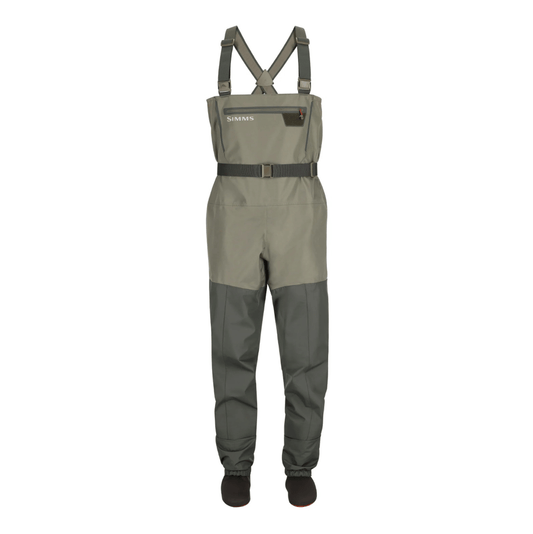

Simms - Mens Tributary Stockingfoot Wader
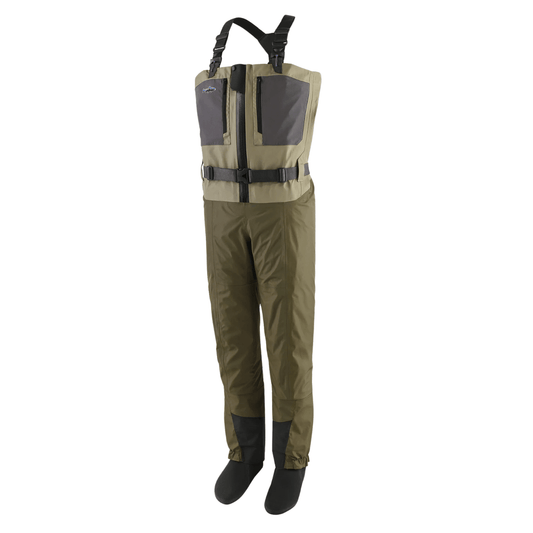
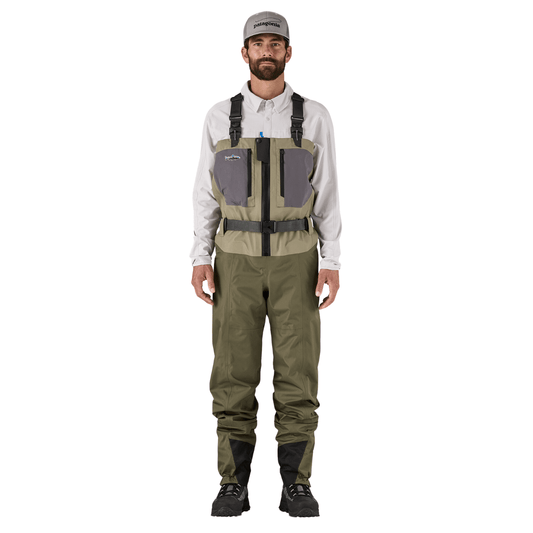
Patagonia Men's Swiftcurrent Traverse Zip Front Waders
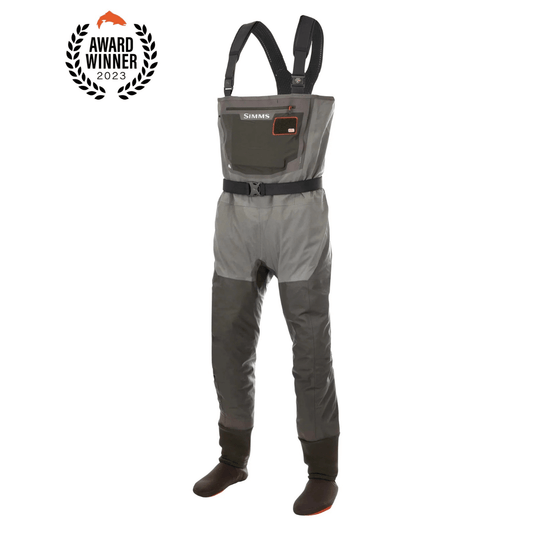
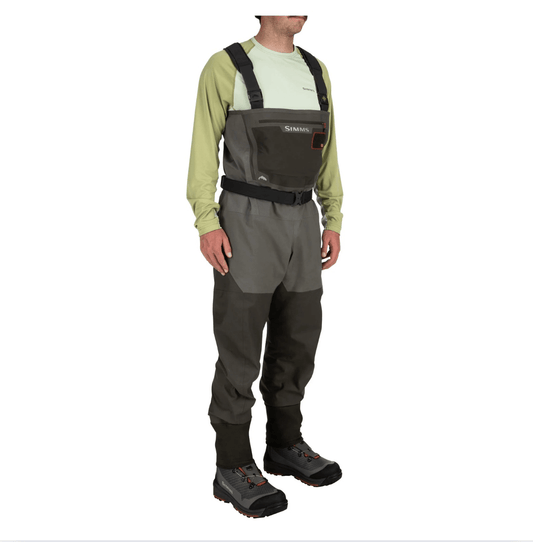
Simms Men's G3 Guide Stockingfoot Wader
Explore our full collection of waders and find the pair that matches your fishing style, local conditions, and the kind of days you spend on the water.
We're Here to help
If you’re unsure about any of the Fishing Waders or info in this guide, you don’t have to figure it out alone. Helping anglers sort through gear decisions is what we do every day, whether it’s your first setup or a thoughtful upgrade.
If you’d like a second opinion, give us a call (647-347-7370) or hit the button below. We’re always happy to help - and remember, we’re anglers too.
Chris Krysciak - Store Manager