
Fly Fishing Gear Buyers Guide

Fly fishing is simple. Buying fly-fishing gear is not.
Researching how to start fly fishing and you’re immediately faced with rod weights, actions, line tapers, reel sizes, wader fabrics, and opinions about what you should be fishing. For most anglers, the challenge isn’t learning how to cast or read water — it’s figuring out how all the gear fits together without wasting money or making avoidable mistakes.
That confusion is normal. Fly-fishing gear is often not explained in a clear, connected way, especially for anglers fishing Canadian waters and seasons. Instead, most advice lives in fragments: social media posts , or well-intentioned opinions from others that don’t always apply to how or where you fish.
This guide exists to change that.
Who this guide is for
This guide is for anglers who want clarity, not noise.
If you’re new to fly fishing and want to start with the right setup — not just the cheapest or the flashiest — this guide is for you. If you’ve been fishing for a while but feel unsure about what actually matters when upgrading gear, this guide is for you. And if you’re tired of second-guessing purchases and want honest, practical guidance, you’re in the right place.
This guide is not for anglers who already own multiple specialized setups and are chasing niche gear for very specific applications. If that describes you, get in touch! We love to dive deep into gear as well, we can have an in depth chat about your situation and what fits it!
How to use this guide
We’re not going to push brands, trends, or unnecessary upgrades. Instead, we’ll walk through how fly-fishing gear works, what mistakes to avoid, and how to make smart, informed decisions without overthinking it.
You’ll learn:
- What matters most when choosing a fly rod — and what doesn’t
- How reels and fly lines should be paired (and why this is often misunderstood)
- How to think about waders, boots, and packs in Canadian conditions
- The difference between beginner gear, and long-term gear.
You don’t need to read this guide cover to cover in one sitting. Use it as a reference. Jump to the sections that matter to you. And if you want help applying this information to your specific situation, that’s exactly what we’re here for.
A note from Drift Outfitters
Drift Outfitters is a Canadian fly shop built by anglers who spend their time on the water, not just behind a screen. We believe fly fishing should feel approachable, not intimidating — and that good gear advice should make your time fishing better, not more complicated.
Everything in this guide reflects how we think about gear every day in the shop: practical, honest, and grounded in real use.
A SIMPLE PLACE TO START: FLY FISHING KITS
For anglers looking for the easiest way to get started, fly fishing kits offer a complete, ready-to-fish solution in one package. Kits like the Echo Lift Kit pair a balanced rod, reel, and line that are designed to work well together, removing much of the guesswork for new anglers. They’re an excellent option for getting on the water quickly and building confidence, with the flexibility to upgrade individual components over time as skills and preferences develop.
FLY RODS - What Matters Most, and What Doesn’t
Fly rods can be made to be precision instruments, but most anglers don’t need to overthink their first (or next) rod. A few core factors matter a lot, others matter less than brands would have you believe.
What matters most
- Rod weight — determines species, fly size, and water type.
- Action — affects how the rod loads, casts, and forgives mistakes. Medium fast (a rod that bends to the upper-tip section) rods are best for those starting out.
- Rod length — Affects the power of the rod and how well you can control your drift. 9' rods are most common and versatile.
What matters less than most people think
- Proprietary material marketing terms - there are absolutely differences in graphite technology that can make a casting and durability difference, however when you're starting out you may not be able to truly appreciate them yet
Fly Rod Decision Checklist
- Do you know the species and water you fish most?
- Does the rod weight match your typical flies?
- Does the rod feel comfortable to cast all day?
Takeaway
Choose a rod that matches how and where you fish most often - not one built for edge cases or marketing hype.
Staff Rod Picks
- Echo Lift Fly Rod (Beginner) — A simple, forgiving rod that’s easy to cast and well suited to anglers getting started or looking for an affordable, no-nonsense setup.
- Orvis Clearwater Fly Rod (Smart Upgrade) — A versatile, well-balanced rod that offers improved feel, making it a reliable step up as skills progress.
- G. Loomis NRX+ Single Hand Fly Rod (Premium Upgrade) — A premium, high-performance rod built for anglers who want maximum sensitivity, precision, and a long-term investment they won’t outgrow.


Echo Lift Fly Rod

Orvis Clearwater Fly Rod
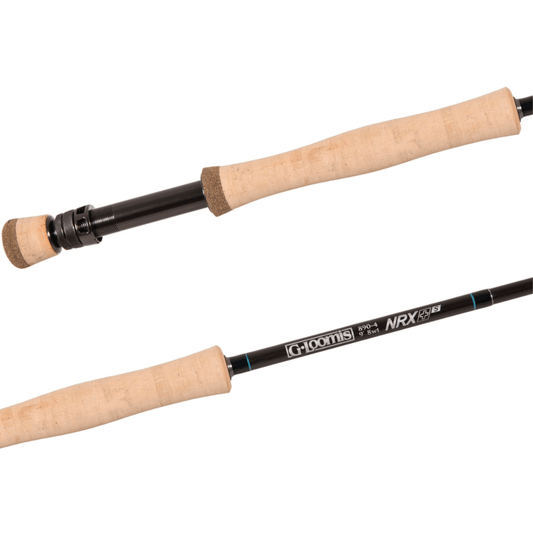

G.Loomis NRX+ Single Hand Fly Rods
Fly Reels: What Matters (and What Doesn’t)
A reel's primary job is to balance the rod, hold the fly line, and manage fish once hooked. They are not what makes a rod cast well.
That doesn’t mean reels don’t matter — it just means they matter in different ways than you might expect.
What matters most in a fly reel is:
- Reliable drag that suits the species you’re fishing, smooth drag matters a lot for species like trout that we fish on light line
- Durability for repeated use in all conditions
- Proper balance with your rod
What matters less for most freshwater anglers:
- Ultra-high drag systems for trout fishing
- Overbuilt features designed for big game species
A smooth, dependable reel that balances your rod will do its job quietly and effectively for years.
Fly Reel Decision Checklist
- Does the reel balance the rod comfortably in hand?
- Is the drag appropriate for the species you fish?
- Is the reel built to handle regular use?
Staff Reel Picks
- Echo Ion Fly Reel (Beginner) — A straightforward, dependable reel that keeps things simple and pairs well with entry-level freshwater setups.
- Loop Opti Fly Reel (Smart Upgrade) — A smooth, well-balanced reel that delivers a noticeable upgrade in performance without moving into premium pricing.
- Abel Rove Fly Reel (Premium Upgrade) — A durable, precision-machined reel designed for anglers who want a long-lasting, high-quality piece they can fish for years.


Echo Ion Fly Reel
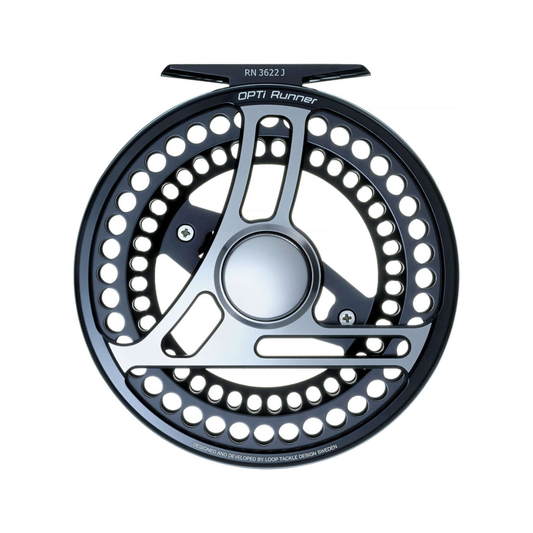
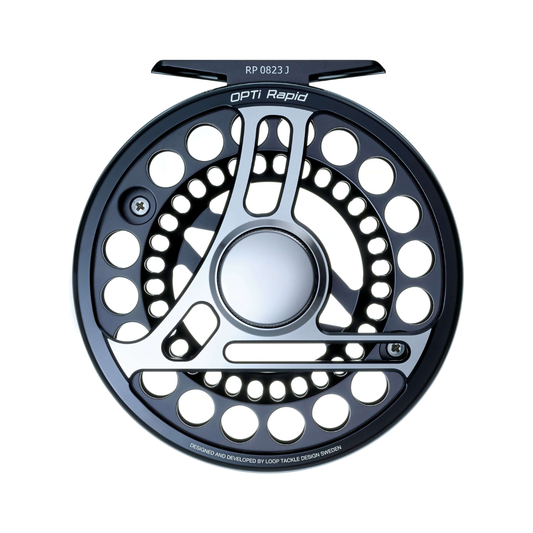
Loop - Opti Fly Reel
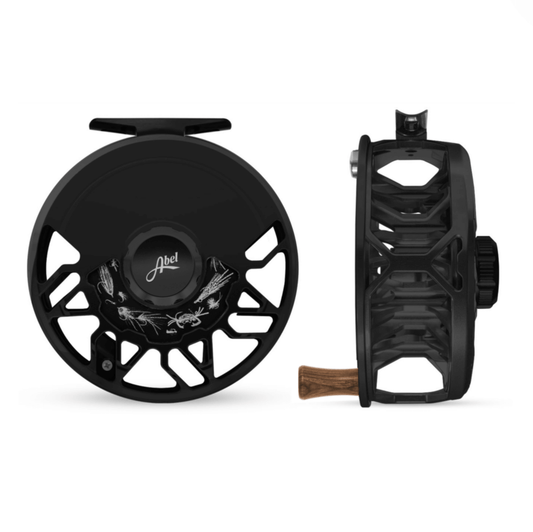
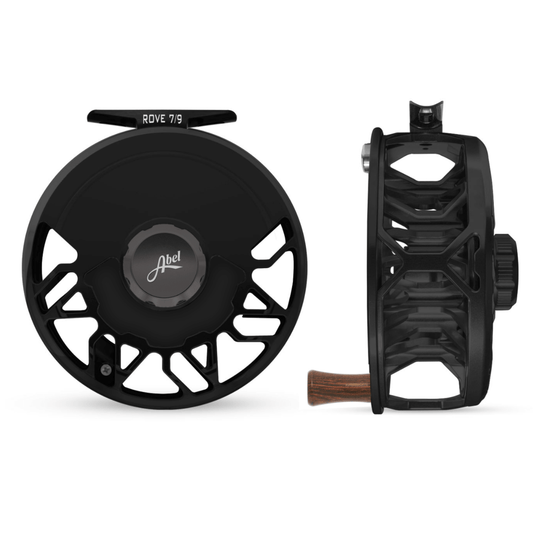
Abel Rove Fly Reel
Fly Lines: The Most Important Part of Your Setup
If there’s one piece of gear that most directly affects how your rod feels and casts, it’s the fly line.
The fly line is what loads the rod, carries the fly, and controls presentation. Many casting frustrations that anglers attribute to rods or reels are actually caused by mismatched, worn, or inappropriate fly lines.
Choosing the right fly line means thinking about:
- Rod weight compatibility
- Taper (general-purpose vs specialized)
- Fishing style (dry flies, nymphing, streamers)
- Water temperature and season
A correctly matched line can make an average rod feel excellent — while the wrong line can make a great rod feel frustrating.
Fly Line Decision Checklist
- Does the line match your rod weight?
- Is the taper suited to how you fish most often?
- Is the line appropriate for cold or warm water?
- Is your current line still in good condition?
Takeaway
If your setup doesn’t cast the way it should, the fly line is the first thing to look at.
Staff Fly Line Picks
- Scientific Anglers Air Cel Floating Fly Line (Beginner) — A classic, easy-casting line that helps new anglers load the rod properly and develop consistent casting fundamentals.
- Scientific Anglers Mastery MPX Fly Line (Smart Upgrade) — A slightly heavier-tapered line that loads modern rods efficiently and offers improved performance for anglers fishing more often.
- Scientific Anglers Amplitude Smooth Infinity Fly Line (Premium Upgrade) — A premium, durable line with refined handling and longevity for anglers who want top-tier performance across a wide range of conditions.

Scientific Anglers - Air Cel Floating Fly Line


Scientific Anglers - Mastery MPX Fly Line


Scientific Anglers - Amplitude Smooth Infinity Fly Line
Waders and Boots in Canadian Conditions
In Canada, waders and boots are about safety, stability, comfort and extending your season.The right waders and boots help anglers fish confidently in all of these conditions.
Modern waders are designed as all-season shells. Warmth comes from what you layer underneath — not from the wader itself. Because of that, durability, fit, and support should be the priority when choosing both waders and boots.
Prioritize
- Cold-water readiness — Size your waders for the ability to layer comfortably underneath your waders
- Durability across seasons — Canadian anglers often hike a lot, which puts more wear on gear.
- Proper Fit for Mobility — Waders should never be tight, proper fit will allow for full movement
- Supportive boots — A well-built boot reduces fatigue and improves balance over long days on the water.
A durable wader paired with a supportive boot will extend your season and make time on the water safer and more enjoyable.
Waders & Boots Checklist
- Does the wader fit allow room for layering underneath?
(Comfort and warmth come from layers, not the wader itself.) - Are the materials built for durability and repeated use?
- Do the boots provide reliable traction and support for uneven river bottoms?
(Stability matters as much as warmth.) Felt boots work well on rock but rubber soled boots are always the most versatile sole as felt can skid on soft surfaces and can also freeze.
Takeaway
In Canadian conditions, durability, fit, and cold-water readiness should be the priority. Well-chosen waders and boots influence stability, safety, and how long your season actually lasts.
Staff Waders and Boots Picks
- Simms Freestone Waders (Beginner) — A dependable entry-level wader that provides solid comfort and protection for anglers getting started.
- Simms Freestone Wading Boots (Beginner) — A supportive, comfortable boot that pairs well with entry-level waders and handles a variety of river conditions.
- Patagonia Swiftcurrent Zip-Front Waders (Smart Upgrade) — A comfortable, feature-rich wader offering improved fit, mobility, and convenience for anglers spending more time on the water.
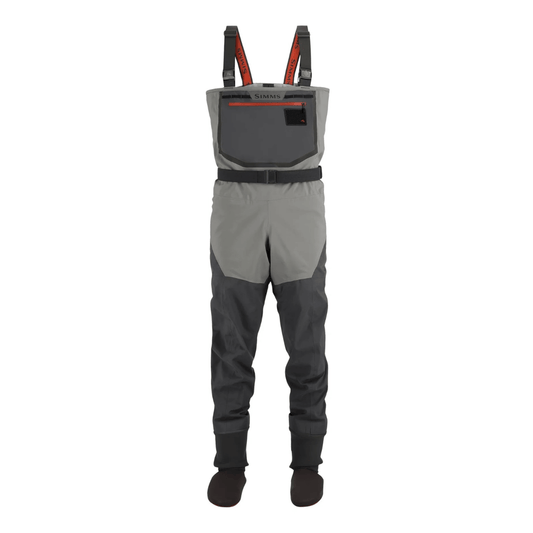
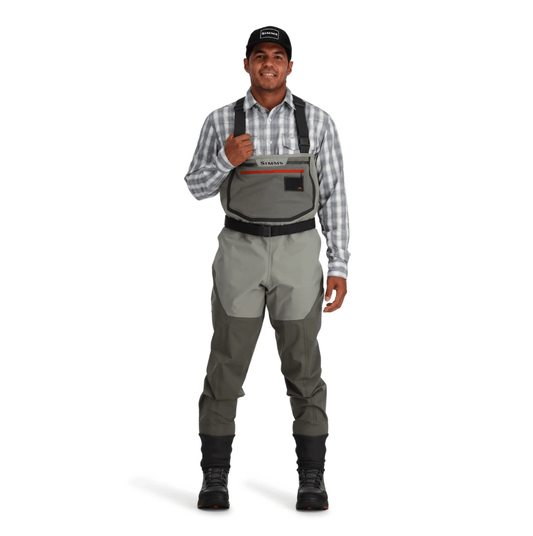
Simms Freestone Stockingfoot Wader


Simms Freestone Wading Boot Rubber Sole
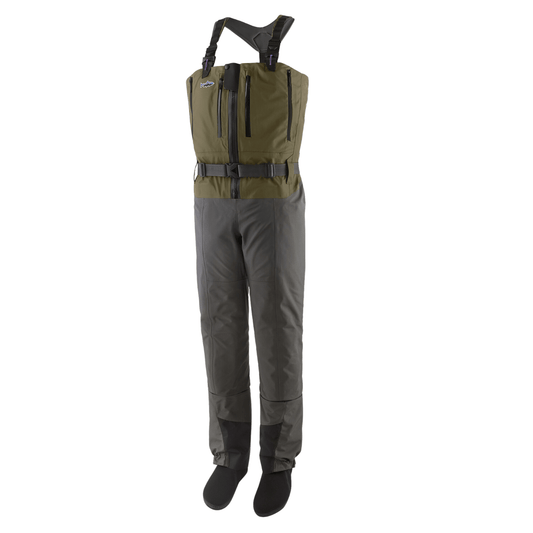
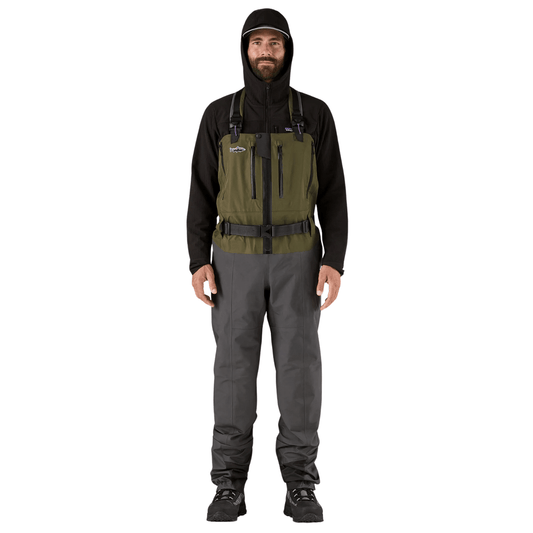
Patagonia - Men's Swiftcurrent Expedition Zip Front Waders
Packs: Support Gear That Matters
Support gear doesn’t catch fish - but it determines how long and comfortably you can fish.
The right pack reduces friction and keep your focus on fishing, not discomfort.
Look for
- Efficient organization and access
- Mobility while wading, hiking, and casting
- Waterproof packs when justified
Packs Checklist
- Can you access essentials without stopping?
- Does the pack fit you comfortably for long days fishing?
- If wading deep water or fishing in wet conditions, a waterproof option may make sense
Staff Fly Fishing Packs Picks
- Fishpond Canyon Creek Chest Pack (Beginner) — A simple, lightweight chest pack that keeps essential gear organized and accessible, making it an easy starting point for anglers new to packs.
- Fishpond Stormshadow Sling Pack (Smart Upgrade) — A water resistant, low-profile sling pack designed for fishing in wet conditions, providing secure storage and comfortable access without getting in the way while casting.
- Fishpond Thunderhead Lumbar Pack (Premium Upgrade) — A durable, fully waterproof lumbar pack built for anglers who fish in all conditions and want a long-term solution that will last for years.


Fishpond - Canyon Creek Chest Pack


Fishpond - Stormshadow Sling Pack - Beetle


Fishpond - Thunderhead Submersible Lumbar
Leaders & Tippet: The Final Connection
Leaders and tippet are the final link between your fly and the fish, and they play a much bigger role in presentation than most anglers realize. While rods and lines get most of the attention, leaders and tippet determine how energy transfers from the fly line to the fly. The right setup helps flies turn over cleanly, land naturally, and drift properly.
What to Prioritize
- Presentation and turnover — A longer and thinner leader will land more delicately, a shorter or thicker leader will provide the power to cast larger flies.
- Strength and consistency — Reliable knot strength matters, especially as tippet diameter decreases.
- Visibility — Clear water and pressured fish often demand lower-visibility materials. Consider fluorocarbon for subsurface presentations.
- Application — Nylon and fluorocarbon behave differently and serve different purposes. Fluorocarbon is more durable and will sink, while nylon is better for floating flies.
Small changes here can make a noticeable difference without changing the rest of your setup.
Leaders & Tippet Decision Checklist
- Are you fishing dry flies or nymphs/subsurface patterns?
- Do you need a more powerful cast or a softer presentation?
- Is water clarity a factor where you fish most often?
Takeaway
Leaders and tippet are often the most cost-effective way to improve presentation. Choosing the right materials can have a bigger impact on success than upgrading major pieces of gear.
Staff Leaders and Tippet Picks
- Scientific Anglers Absolute Trout Leaders (Beginner/All Around) — A reliable, well-balanced leader that turns flies over smoothly and makes it easier to achieve clean, natural presentations.
- Scientific Anglers Absolute Trout Tippet (Beginner/All Around) — A strong, consistent nylon tippet that offers improved knot strength and confidence when fishing lighter diameters or smaller flies.
- Scientific Anglers Absolute Trout Fluorocarbon (Premium Upgrade) — A low-visibility, abrasion-resistant fluorocarbon tippet designed for clear water, pressured fish, and subsurface applications.
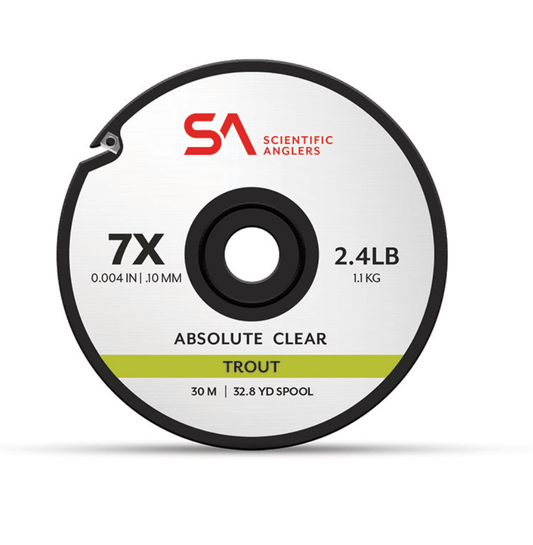
Scientific Anglers - Absolute Trout Tippet Clear
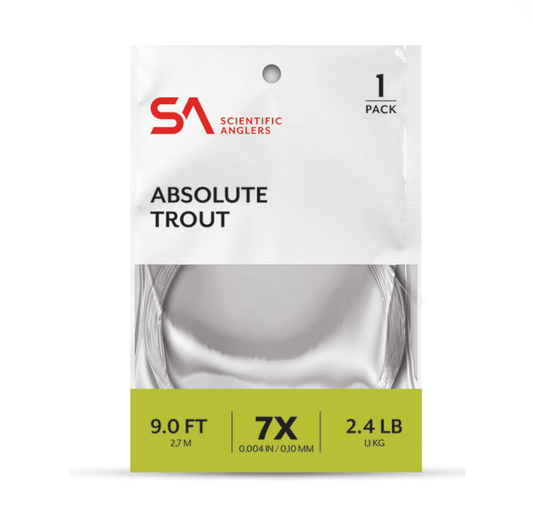
Scientific Anglers - Absolute Trout Leader 9'
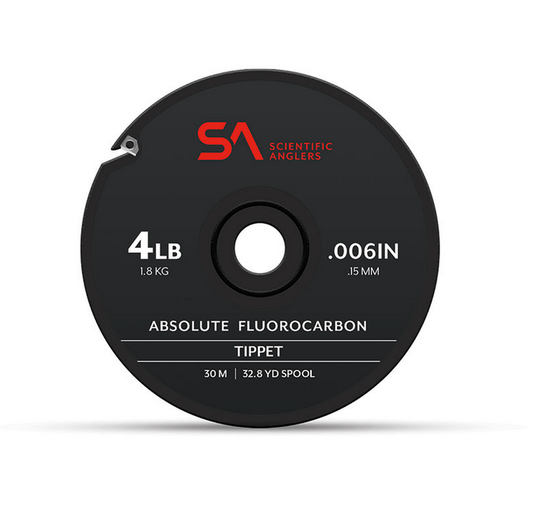
Scientific Anglers - Absolute Fluorocarbon Tippet
Final Thought
The goal isn’t to own more gear.
It’s to fish more confidently, more comfortably, and more often.
If you’re unsure about any of the choices in this guide, you don’t have to figure it out alone. Helping anglers sort through gear decisions is what we do every day, whether it’s your first setup or a thoughtful upgrade.
If you’d like a second opinion, give us a call (647-347-7370) or hit the button below. We’re always happy to help - and remember, we’re anglers too.
Chris Krysciak - Store Manager