
Fly Fishing Line Buyers Guide

Fly Lines - Overview
Fly line affects how your rod loads, how cleanly your fly presents, and how effectively you reach the depth fish are holding at. In some cases, changing your line has a bigger impact than changing your rod!
With Canadian fishing spanning cold spring runoff, summer lakes, and late fall steelhead seasons, having the right fly line for your water makes a massive difference.
This guide walks through how to choose based on depth, fly size, and the water you fish most often.
What matters most in a Fly Line
When choosing a fly line, a few core factors have the biggest impact on how effectively your setup casts and how your fly fishes.
- Matching the line weight to your rod: Your line should match your rod weight. A properly paired 5-weight line on a 5-weight rod as an example will cast more effectively than a mismatched setup. When line and rod work together, casting becomes easier.
- Where the line sits in the water column: Fishing at the right depth can make all the difference. Floating lines are your most versatile line. They’re ideal for dry flies, indicator nymphing, and river fishing where line control matters. You can fish sinking flies on them to get down to shallow depths as well. Sink Tip Fly Lines are the preferred sinking line option for anglers who are wading and want to get deeper than their floating line can. The tip of the line will sink, helping you achieve depth with your flies, while the rest of the line floats, keeping it from snagging in rocks as you retrieve it at your feet. Full sinking lines are built to reach fish holding lower in lakes, pools, or deeper runs. When fish are down, getting your fly there efficiently makes a big difference. Full sinking fly lines sink in a more even pattern than sink tip fly lines, and therefor are more controllable at depth.
Sinking lines are no heavier than floating lines, they are simply denser which allows them to sink. Sinking lines are easy to cast and pose no risk to your rod.
- Fly size and resistance Your flies influence how a line performs when casting. Larger streamers or wind-resistant flies pair well with lines that have more mass toward the front. Smaller dry flies and light nymph rigs benefit from smoother, controlled presentations, offered by lighter and more delicate lines. Many lines will be labelled with the type of flies they are optimized for (ie: streamer line, bass line, etc).
- Water temperature: Temperature affects how a line behaves. Cold-water lines stay supple during spring trout and fall steelhead seasons. Warm-water lines handle summer heat better and resist becoming sticky or limp. Choosing a line suited to your typical conditions keeps casting feel consistent throughout the season. Using lines that aren't rated for the temperatures you're fishing can lead to tangles, poor performance, and damage to the line.
- Head Length: Most fly lines today are made in a "weight forward" (WF) design. This means that the weight is towards the front end of the line, allowing you to cast more easily. We call this portion of the line the "head" and it determines how the line lands, how powerful it is, and how much control you have in the cast. Lines with short heads (~30') are usually more powerful, provide easy distance, and can cast larger flies. Lines with heads over ~40' are generally more delicate, roll cast well, and can be mended (controlled) more easily in the drift.
Choosing the Right Fly Line Density Type
The right fly line density is determined by where in the water column you need your fly to fish. Floating, intermediate, and sinking lines each serve a specific purpose and solve different problems.
- Floating Lines
Floating lines are the most versatile option. They’re ideal for dry flies, nymphing with indicators, and most river fishing where line control and mending are important. For many trout anglers, a quality floating line handles the majority of situations. On lakes, floating lines will effectively fish many situations down to a depth of around 5' down. - Intermediate Lines
Intermediate lines sink slowly and maintain a steady shallow depth. They’re popular for lake fishing, streamers, and windy conditions where keeping the line just under the surface improves control. - Sinking Lines
Sinking lines are designed to get flies down quickly and keep them there.
For instance, they’re useful when fishing deeper lakes, pools, or runs where fish are holding well below the surface and floating or intermediate lines can’t effectively reach them.
There’s no single best line type — the right choice depends on depth, fly choice, and the water you’re fishing.
A Few Things to Keep in Mind
- A solid floating line covers the majority of trout fishing. Adding an intermediate or sinking line expands your options for lakes and deeper water.
- We fish a lot of varied water locally — rivers, lakes, Great Lakes tributaries — and line control consistently makes the biggest difference.
- Pay attention to temperature ratings, especially in summer when temperatures get hot. Trout lines may become soft and susceptible to damage. Consider a warmwater line, such as a bass line, for summer fishing.
Fly Lines Decision Checklist
Before choosing a fly line, consider the following:
- Where do you need your fly to fish? Surface and shallow presentations point toward floating lines. Deeper fish call for sinking lines.
- What flies are you fishing most often?
Small dry flies and light nymph rigs are best presented with more delicate "trout" style lines, while larger streamers will cast more easily on more aggressive, powerful lines. - What rod weight are you pairing the line with?
A fly line should match your rod weight — a properly matched setup will load the rod more smoothly and make casting feel easier and more controlled. - What type of water are you fishing?
Rivers often favour floating lines for control. Lakes and stillwater frequently benefit from intermediate or sinking lines. - What temperatures do you fish in most often?
Lines designed for colder water stay supple in spring and fall, while warm-water lines resist becoming soft during summer fishing.
Answering these questions will help narrow your choices to a fly line that casts well, fishes at the right depth, and suits the conditions you encounter most often.
Takeaway
Fly line has a major impact on how your setup fishes.
Most anglers are well served by starting with a quality floating line and adding an intermediate or sinking line as their fishing expands into deeper water. A small number of well-chosen lines can comfortably cover rivers, lakes, and seasonal conditions without overcomplicating your setup.
If you’re unsure which direction fits your home water best, we’re always happy to talk it through. We fish these rivers and lakes ourselves and can help you dial in something that works.
Staff Floating Line Picks
- Scientific Anglers MPX Mastery (Good all around floater)
We often recommend this line because it loads rods easily and handles a wide range of trout fishing situations, making it a dependable choice for anglers who want one floating line that does most things well. - Scientific Anglers Amplitude Smooth Infinity (Smart trout upgrade)
This is a staff favourite for anglers who fish frequently and want a smoother, more delicate casting feel, offering excellent control across different distances and fly sizes. This line offers a step up in durability as well. - Scientific Anglers Mastery Bass (Great Bass all arounder)
Our team points anglers toward this line when throwing larger, air-resistant bass flies, as the heavier front taper helps turn over big patterns with far less effort.


Scientific Anglers - Mastery MPX Fly Line


Scientific Anglers - Amplitude Smooth Infinity Fly Line
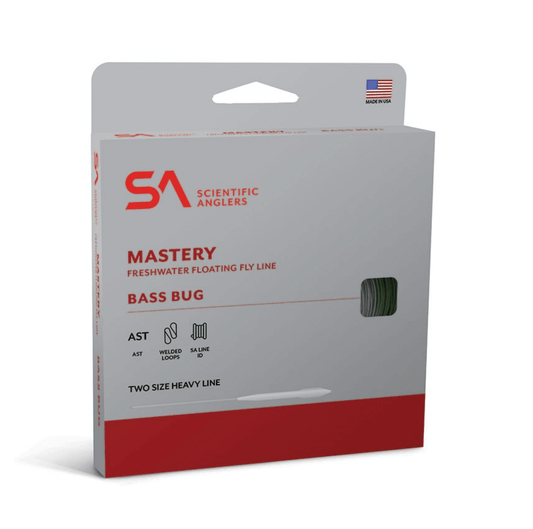
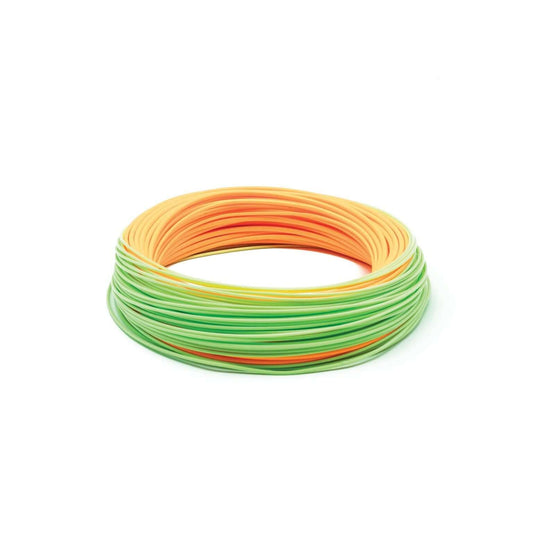
Scientific Anglers - Mastery Bass Bug Fly Line
Staff Sinking & Intermediate Line Picks
- Scientific Anglers Titan Intermediate (Great Int line option)
We recommend this line for anglers who want to keep flies just below the surface, especially in lakes or stillwater, where consistent shallow depth makes a big difference. - Scientific Anglers Titan Triple Density I/3/5 (Great Sinking option)
This is a staff go-to when anglers need better depth control and a more controlled sink profile, particularly for fishing streamers in deeper water or larger systems. - Scientific Anglers Sink Tip Type 6 (Great Sink Tip line)
Our staff often suggests sink-tip lines as a perfect versatility option for the wading or river angler.
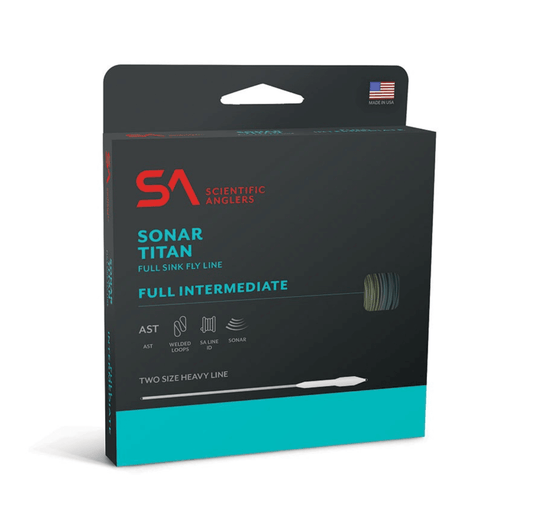
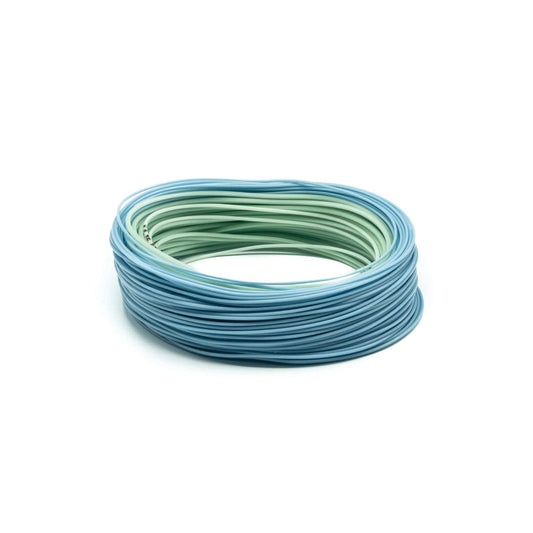
Scientific Anglers - Sonar Titan Full Intermediate Line
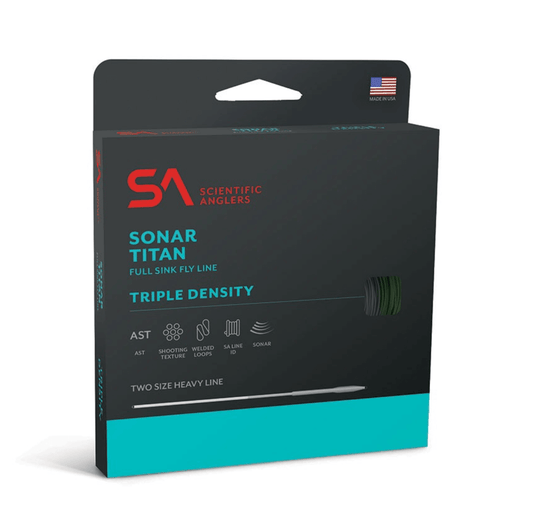
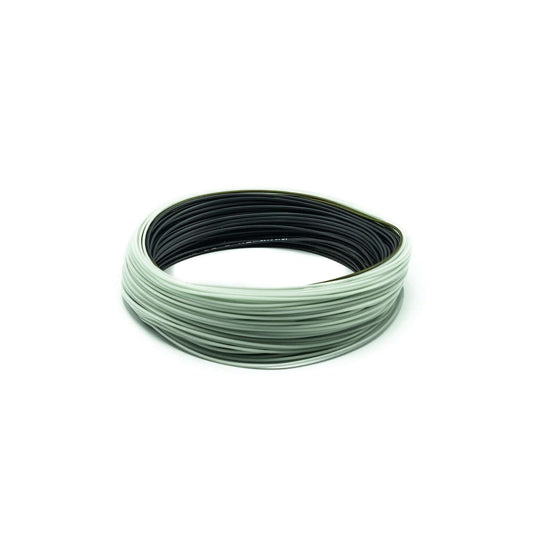
Scientific Anglers - Sonar Titan Triple Density INT/S3/S5


Scientific Anglers - Sonar Titan Sink Tip Type 6
Once you’ve narrowed down floating, sinking, or specialty tapers, shop our complete range of fly lines and fine-tune your setup from the reel outward.
We're here to help
If you’re unsure about any of the Fly Lines or info in this guide, you don’t have to figure it out alone. Helping anglers sort through gear decisions is what we do every day, whether it’s your first setup or a thoughtful upgrade.
If you’d like a second opinion, give us a call (647-347-7370) or hit the button below. We’re always happy to help - and remember, we’re anglers too.
Chris Krysciak - Store Manager