
Fly Fishing Rod Buyers Guide

Fly fishing is simple with the right fly rod
A fly rod is the heart of your setup. It’s what you feel all day. It’s what loads when you cast. It’s what keeps you connected when a fish eats.
From small mountain streams and prairie rivers to big windy lakes and Great Lakes tributaries, the right rod depends on where and how you fish.
There’s no single “best” rod, there’s the one that fits your water.
Small creeks? Big current? Dry flies? Streamers?
That’s what really decides it.
Modern rods are incredibly refined. The key is matching the rod to your home water and your style so everything feels natural from the first cast.
Here’s how we break it down in the shop.
How to Use this Guide
- Start with the section for the fish you target most: Trout, Bass, or Steelhead (We're focusing on these as they're the most popular fish in our area but of course we carry gear for all species, get in touch for more suggestions!)
- Each section focuses on what actually matters for that type of fishing.
- Use the decision checklist to narrow your options before looking at staff picks.
- If you fish multiple species, prioritize the one you do most often.
Trout Fly Rods - Overview
Trout rods are all about feel, control, and versatility. They’re designed to present flies accurately, protect lighter tippets, and make casting enjoyable over a full day on the water.
Unlike bass or steelhead rods, trout rods aren't usually about raw power. What matters more is how the rod casts at short range fishing distances, how well it protects light line from breaking, and how comfortably it handles the water you fish most often.
What matters most
When choosing a trout rod, a few factors have an outsized impact on how the rod feels and performs on the water.
- Line weight sets the tone. Your most versatile trout rods are in the 4–6 weight range, where rods balance delicacy and versatility across a wide range of conditions.
- Rod action affects how forgiving the rod feels. Moderate to medium-fast actions (deeper bending) load more easily at typical trout distances and help smooth out casting timing, especially for newer anglers. The extra bend in a rod also helps protect light lines from breaking while fighting fish.
- Length influences reach and line control. Nine-foot rods are the most versatile choice for trout, offering a good balance of accuracy, mending ability, and fish control in rivers and lakes. Shorter rods can be great fun on tight streams. Longer rods add reach on larger water. Choosing length comes down to where you spend most of your time.
- Rod Material: Most rods on the market today are made of graphite or some blend of graphite and fiberglass, these are the most versatile rods. Some other materials include straight fibreglass or bamboo, these are very flexible materials that can make for a fun rod to fish, but not always the most effective one.
- Brand Reliability: You want to make sure that your rod will be with you for years to come and that's why we always recommend solid mainstream rod makes. In the case you break a rod (we've all been there) it's good to know that you have a solid company to work with in getting it fixed. Most mainstream fly rod makers will be able to offer replacement rod sections for years to come after purchase. We only carry rods from solid, reputable brands that you can count on for support.
A Few Things to Keep in Mind
- Most trout fishing happens closer than people think — controlled casts, clean drifts, and effective line management often matter more than distance. Rods labelled as medium-fast action (not overly stiff) will perform best at this range.
- At the Shop, we see a lot of anglers settle into a 9’ 4wt or 5wt because it covers so much water well. It’s a setup that handles dries, nymphs, and small streamers without feeling specialized.
Trout Fly Rod Decision Checklist
Before choosing a trout rod, answer these questions honestly:
- Where do you fish most often?
Small streams, medium rivers, or lakes all place different demands on a rod. Choose lighter setups for smaller water and more powerful ones for larger. - What distances do you typically cast?
Most trout are caught within 30–50 feet, choose a rod that loads well at those ranges. (Medium-medium fast action) - How important is forgiveness?
If you’re still refining your timing, a rod that loads easily will be more enjoyable and consistent. Look for rods labelled medium or medium fast. - Do you fish multiple trout techniques?
A versatile rod handles dry flies, nymphs, and small streamers without feeling compromised. - How often do you fish each season?
More time on the water often justifies a higher end rod that offers better feel and long-term comfort.
If you can answer these questions clearly, you’re already most of the way to the right trout rod.
Takeaway
A good trout rod feels balanced in your hand and comfortable all day.
It should load naturally and give you confidence when a fish eats. When a rod matches your water and your style, everything flows a little easier.
If you’re weighing a few options, we’re always happy to talk through it. We fish this gear ourselves and can help you dial in something that feels right from the first cast.
Staff Trout Fly Rod Picks
- Echo Carbon XL Fly Rod (Beginner)
The Echo Carbon XL is an approachable, forgiving rod that loads easily and builds confidence early, making it an excellent starting point for anglers learning to cast and fish a variety of trout techniques. - Echo Trout X Fly Rod (Smart Upgrade)
The Echo Trout X offers a noticeable step up in feel and control, delivering better feedback and versatility for anglers who fish more often and want a rod that keeps pace as their skills improve. - Guideline LPX Tactical Fly Rod (Premium Upgrade)
A staff favourite - The Guideline LPX Tactical is a refined, high-performance trout rod designed for anglers who value precision, balance, and long-day comfort, offering exceptional feel without being demanding to cast.


Echo Carbon XL Fly Rod
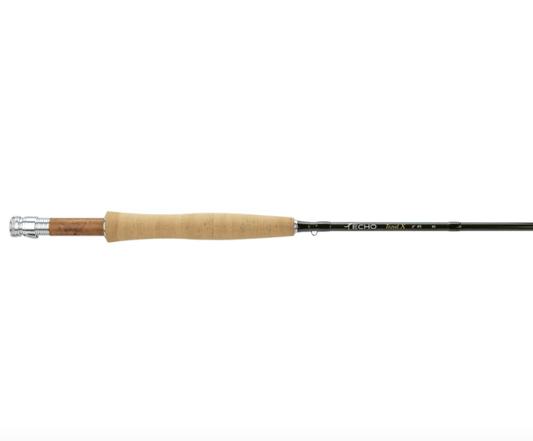
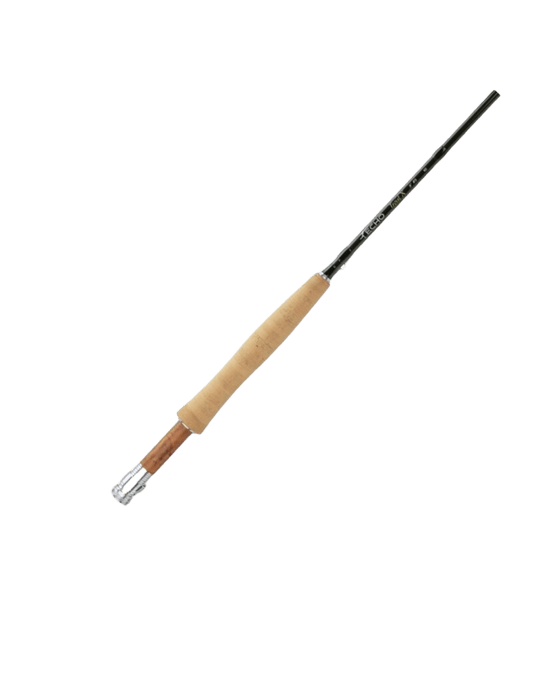
Echo Trout X Fly Rod
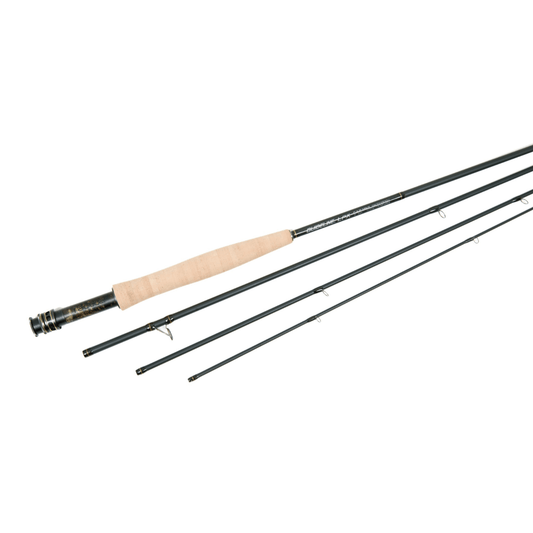
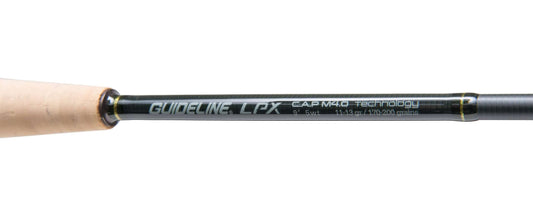
Guideline - LPX Tactical Single Hand Fly Rod
Bass Fly Rods - Overview
Bass rods are built to move flies and move fish.
You’re casting bigger patterns. You’re dealing with wind. You’re pulling fish out of weeds, wood, and heavy structure. The rod needs to turn flies over cleanly and stay in control when things get chaotic.
A good bass rod has real backbone. It drives heavier flies, picks up line easily, and gives you control when a fish makes a hard run or digs for cover.
At the same time, it should still feel balanced in your hand. Powerful doesn’t have to mean tiring. The right rod lets you fish topwater, streamers, craw patterns, or baitfish all day without feeling like you’re swinging a broomstick.
What Matters Most in a Bass Fly Rod:
When choosing a bass fly rod, a few factors take priority:
- Line weight is the foundation. Most bass fishing is done with 6-8 weight rods, which provide the power needed to cast larger flies and manage fish around structure.
- Rod action plays a big role in turnover and control. Medium-fast to fast actions (generally stiffer) help move heavier lines efficiently, especially when casting bulky flies or dealing with wind.
- Power and backbone matter when setting the hook and steering fish away from weeds, wood, or shoreline cover. A rod that feels underpowered can quickly become frustrating in real fishing situations.
- Rod Length: A 9' rod is a great standard length, however both shorter and longer rods have a place. Shorter rods (8-9') are easier to twitch, pop, and animate flies with which can be very important while bass fishing. If you mainly fish from canoes or float tubes then 10' rods can give you the ability to more easily lift line off the water while seated.
- Rod Material: Most rods on the market today are made of graphite or some blend of graphite and fiberglass, these are the most versatile rods. Some other materials include straight fibreglass or bamboo, these are very flexible materials that can make for a fun rod to fish, but not always the most effective one.
- Brand Reliability: You want to make sure that your rod will be with you for years to come and that's why we always recommend solid mainstream rod makes. In the case you break a rod (we've all been there) it's good to know that you have a solid company to work with in getting it fixed. Most mainstream fly rod makers will be able to offer replacement rod sections for years to come after purchase. We only carry rods from solid, reputable brands that you can count on for support.
A Few Things to Keep in Mind
- Bass fishing can change fast — topwater at first light, heavier flies once the sun climbs, wind picking up in the afternoon. A rod that can adapt through those shifts keeps things simple and enjoyable.
- We fish a lot of bass locally, and a 6–8wt often becomes the workhorse for good reason. It has the punch for bigger flies and the control to manage fish around cover, while still feeling light enough to cast all day.
Bass Fly Rod Decision Checklist
Before choosing a bass fly rod, consider the following:
- What size flies do you fish most often?
Larger, air-resistant flies require higher rod weight. - Do you regularly deal with wind?
Heavier lines and faster actions help maintain control in less-than-ideal conditions. - How much cover do you fish around?
Weeds, wood, and structure often call for extra backbone to control fish quickly. For boat fishing, a shorter rod can also offer more power and accuracy - How long are your fishing days?
A higher end or lighter weight rod will feel more comfortable over a heavier option over time.
Takeaway
A good bass rod should feel strong, balanced, and ready for anything.
It needs the backbone to turn over bigger flies and stay in control when a fish digs into weeds, wood, or rock. At the same time, it should feel comfortable enough to cast all day — whether you’re throwing topwater at first light or crawling flies along the bottom in the afternoon.
Like we said, we fish a lot of bass around here. If you’re not sure which direction to go, we’re always happy to talk it through and point you toward something that fits your water and your style.
Staff Bass Fly Rod Picks
- Orvis Clearwater Fly Rod (Beginner)
The Orvis Clearwater Fly Rod is a versatile, easy-casting option that offers enough power for bass flies while remaining forgiving and approachable for anglers new to bass fishing with a fly rod. - Echo Eight Four Bass Fly Rod (Smart Upgrade)
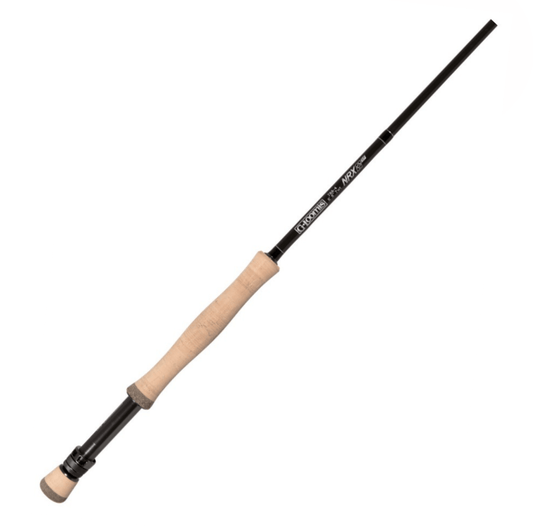
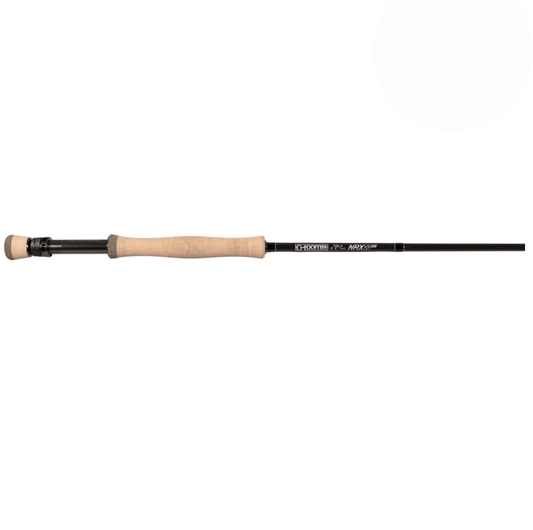
The Echo Eight Four Bass Fly Rod is purpose-built for throwing larger, air-resistant bass flies, offering improved power, control, and durability for anglers who fish more often or in tougher conditions. - G. Loomis NRX+ Swim Fly Single Hand Fly Rod (Premium Upgrade)
The G. Loomis NRX+ Swim Fly is a high-performance bass rod designed for anglers who want maximum control, responsiveness, and efficiency when casting larger flies and fishing aggressively around structure.

Orvis Clearwater Fly Rod
G.Loomis - NRX+ Swim Fly - Single Hand Fly Rod


Echo Lift Fly Rod
Steelhead Fly Rods - Overview
When steelheading you’re managing bigger lines, weighted flies, current seams, and fish that don’t play around. The rod needs to handle it all while keeping you comfortable from the first swing to the last cast.
A well-matched steelhead rod feels steady and predictable. It settles into your casting stroke, keeps you in control of your line, and gives you confidence when that grab finally happens.
In this guide we are focusing on single hand fly rods which are your most versatile type of rod. We also cater to two handed (Spey) rods, get in touch with us if you'd like help with them.
What Matters Most in a Steelhead Fly Rod:
Steelhead rods are chosen for line control, casting efficiency, and power.
- Rod length: Length plays a big role. Longer rods give you more reach for mending, better drift control, and smoother line management whether you’re swinging flies or running an indicator. On big rivers, that extra reach makes a real difference. Single-hand rods are common in the 9’6”–10’ range.
- Rod Weight: Steelhead are powerful fish. Most setups land in the 6–8 weight range, giving you the backbone to handle heavier lines, larger flies, and strong runs in current. The right weight is comfortable to fish all day and provides the power needed in the heat of the fight.
- Rod Action: Medium-fast to fast action (stiffer) are the go to here. They manage the heavier flies, sink tips, and indicators that we fish.
- Rod Material: Most rods on the market today are made of graphite or some blend of graphite and fiberglass, these are the most versatile rods. Some other materials include straight fibreglass or bamboo, these are very flexible materials that can make for a fun rod to fish, but not always the most effective one.
- Brand Reliability: You want to make sure that your rod will be with you for years to come and that's why we always recommend solid mainstream rod makes. In the case you break a rod (we've all been there) it's good to know that you have a solid company to work with in getting it fixed. Most mainstream fly rod makers will be able to offer replacement rod sections for years to come after purchase. We only carry rods from solid, reputable brands that you can count on for support.
A Few Things to Keep in Mind
- Steelhead rods shine when they feel comfortable. You’ll be making a lot of casts, efficiency matters.
- Most anglers can cover a wide range of steelhead techniques with one well-chosen setup. When the length, weight, and line system line up with how you fish most often.
Steelhead Fly Rod Decision Checklist
Before choosing a steelhead fly rod, consider the following:
- What size water do you fish?
Larger rivers often benefit from longer and/or heavier rods for line control, while smaller systems may call for more compact setups. - How long are your fishing days?
Casting efficiency and comfort matter, make sure the rod is something you can comfortably use all day long. - Do you plan to specialize or stay versatile?
A 10 foot rod is generally the preference for river fishing, however a shorter 9 foot rod can double as a great bass or saltwater rod.
Takeaway
A good steelhead rod should feel steady, efficient, and comfortable over a long day on the river.
Whether you’re swinging flies or running an indicator, the rod needs to match your approach and stay consistent cast after cast. When the length, weight, and line system are balanced properly, you'll fish in comfort for hours on end.
We spend a lot of time on Great Lakes tributaries and know how much the right setup matters. If you’re weighing a few options, we’re always happy to help you dial in something that fits your river and your style.
Staff Steelhead Rod Picks
- Echo Ion XL Fly Rod (Beginner)
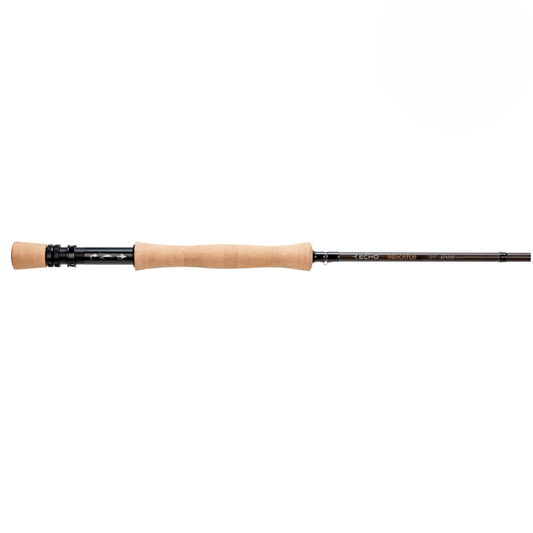
The Echo Ion XL Fly Rod is a durable, approachable option that offers enough power and control for steelhead fishing while remaining forgiving for anglers new to targeting larger fish. - Echo Indicator Fly Rod (Smart Upgrade)
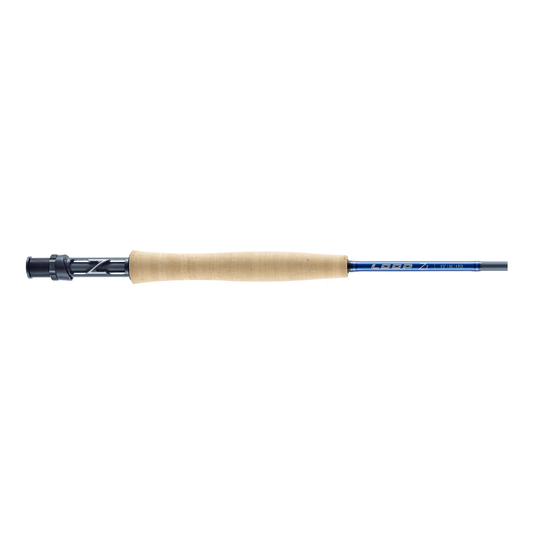
The Echo Indicator Fly Rod is designed to improve line control, mending, and efficiency when fishing longer drifts, making it a strong upgrade for anglers who spend more time on the water. - Loop Z1 Single Hand Fly Rod (Premium Upgrade)
The Loop Z1 Single Hand Fly Rod is a refined, high-performance steelhead rod built for anglers who value precision, balance, and reduced fatigue over long days on the river.


Echo ION XL Fly Rod

Echo Indicator Fly Rod
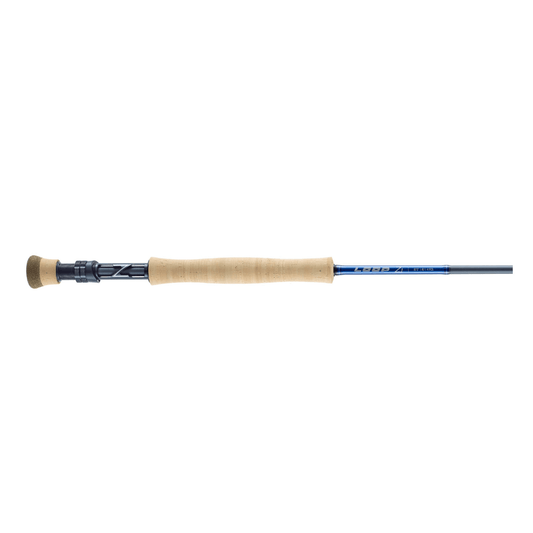
Loop - Z1 Single Hand Rod
Now that you know what to look for, explore our full collection of fly rods and find the one that fits your water and casting style.
Final Thought
There’s no single “best” fly rod — just the one that fits the way you fish.
When your rod matches your water, your flies, and the species you spend the most time chasing, everything feels better.
If you’re branching into trout, bass, steelhead, or something beyond what’s covered here, we’re always happy to talk it through. Sorting out rods and setups is something we do every day — and we fish this gear ourselves.
If you’d like a second opinion, give us a call at 647-347-7370 or reach out through the button below. We’re here to help, and remember we're angler too.
Chris Krysciak - Store Manager