
Fly Reels Buyers Guide

Fly Reels - Overview
Fly reels play a very important role in your setup. They balance your rod, manage your line, and stay steady when a fish runs. When the match is right, the reel feels natural in your hand and quietly does its job all day.
For fishing across Canadian waters, choosing the right reel comes down to proper sizing, smooth performance, and dependable construction.
This guide walks through what shapes that experience on the water and helps you match a reel to the way you fish.
What matters most in a Fly Reel
When choosing a fly reel, a few core elements have the biggest impact on how the setup feels and fishes.
- Balance: Balance is the first thing we look at. A reel should pair naturally with your rod so the rod neutrally balances in hand when held at the front of the grip. When the weight matches properly, the rod feels lighter and more controlled over a full day. Oversizing or undersizing can throw that off quickly. In general, you'll want to follow the labelled sizes when purchasing (ie: 5wt reel on a 5wt rod).
- Drag system: Drag should feel smooth and consistent. For trout and bass, a smooth, reliable drag that allows you to fish light weight leaders without breaking off is very important. For steelhead or larger fish in current, you’ll appreciate a stronger drag that holds up under pressure, especially when a fish makes a long downstream run.
- Durability and build quality: Reels see water, grit, cold temperatures, and repeated use. A solidly built reel of high quality aluminum with dependable internals will stay smooth over time. Anglers fishing through winter tend to appreciate reels featuring a sealed drag that handle moisture and cold without freezing. Durability and quality shows itself season after season. For anglers fishing saltwater, make sure your reel features a sealed drag an anodized finish to protect from corrosion.
- Capacity: Your reel should comfortably hold the correct fly line and backing for what you’re fishing without becoming squeezed for space. A trout reel holding a floating line and small amount of backing keeps things clean and balanced. A steelhead setup benefits from a bit more backing capacity for fish that may go for long runs.
A Few Things to Keep in Mind
- We see a lot of trout and bass anglers perfectly happy with mid-range reels that balance well and stay smooth year after year. For steelhead or larger fish, stepping into a stronger drag and more robust construction often adds confidence when fishing heavier water.
Fly Reel Decision Checklist
Before choosing a fly reel, consider the following:
- What rod weight are you pairing it with?
As a general rule, a reel sized to match your rod weight will balance best — for example, a 5-weight rod pairs best with a reel designed for 4–6 weight lines. - What fish are you targeting most often?
If you’re chasing trout and bass, smooth performance matters most. If you’re targeting steelhead in current, added drag strength can make a difference when fish run hard. - How much backing do you realistically need?
Most freshwater fishing doesn’t require excessive backing. If you're fishing salmon, steelhead, or saltwater fish then having a reel capable of holding a larger amount of backing is an important feature. - Where and how often do you fish?
Frequent fishing, cold conditions, or gritty environments can justify stepping into stronger construction and sealed drag systems. If you're fishing saltwater, a reel built for those conditions featuring a sealed drag is a must to protect it from corrosion.
Answering these questions will help you choose a reel that balances well, fishes smoothly, and suits the way you spend time on the water!
Takeaway
A good fly reel should feel balanced, smooth, and dependable.
For many anglers, a well-built mid-range reel performs beautifully. If you’re on the water often, fishing bigger water, or simply appreciate refined machining and stronger drag systems, stepping into a more upgraded model can bring added durability and long-term confidence.
Choose something that fits how you fish and feels right in your hand. If you’re weighing a few options, we’re always happy to help you dial it in. We fish this gear ourselves and can help you decide where an upgrade makes sense, and where it doesn’t!
Staff Fly Reel Picks
- Echo Ion Fly Reel (Beginner)
The Echo Ion is a simple, durable fly reel designed to get new anglers on the water with confidence. Its cast aluminum construction and reliable disc drag make it an excellent starting point for trout, bass, and general freshwater fishing. - Orvis Clearwater Fly Reel (Smart Upgrade)
The Orvis Clearwater Fly Reel delivers a clear step up in smoothness and durability, featuring a refined drag system and improved fit and finish. It’s a dependable choice for anglers who fish regularly and want consistent performance across a wide range of freshwater conditions. - Loop Opti Fly Reel (Premium Upgrade)
A staff favourite - The Loop Opti Fly Reel is a precision-machined, high-performance reel built for anglers who value strength, balance, and long-term reliability. With a sealed, powerful drag and lightweight design, it’s designed to perform in demanding conditions while remaining smooth and comfortable to fish all day..


Echo Ion Fly Reel
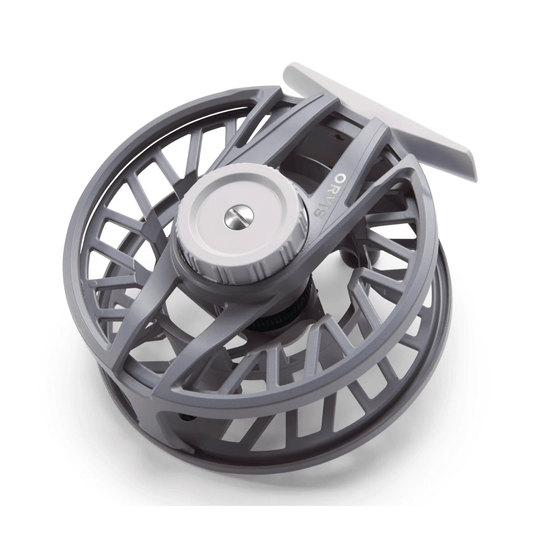
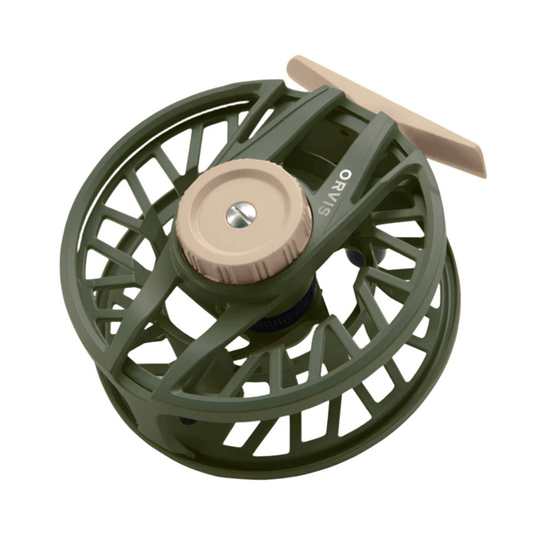
Orvis Clearwater Fly Reel
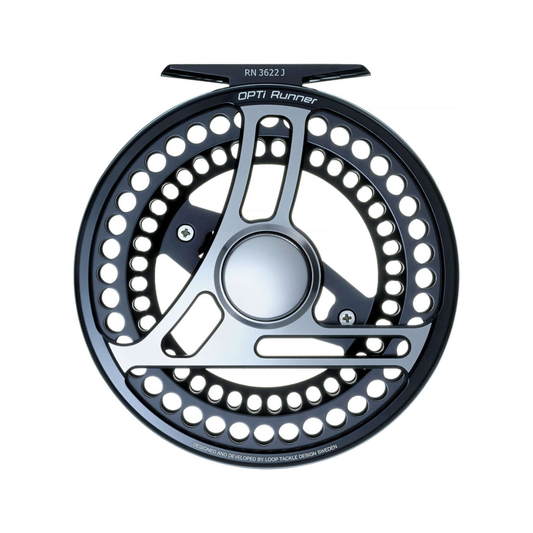
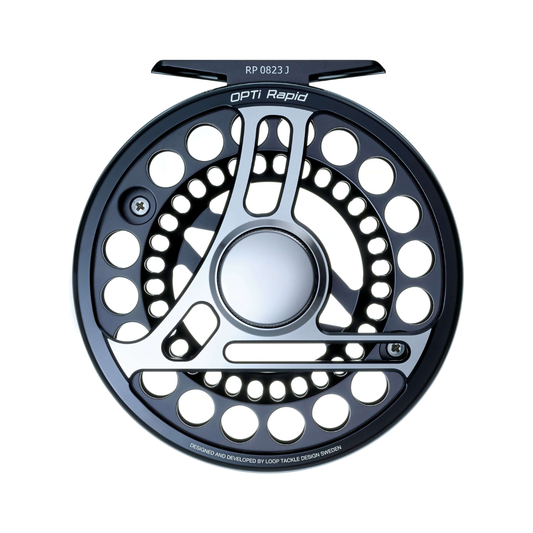
Loop - Opti Fly Reel
Once you know what to look for, explore all our Fly Reels and choose the model that fits your water, target species, and budget.
We're here to help
If you’re unsure about any of the Fly Reels or info in this guide, you don’t have to figure it out alone. Helping anglers sort through gear decisions is what we do every day, whether it’s your first setup or a thoughtful upgrade.
If you’d like a second opinion, give us a call (647-347-7370) or hit the button below. We’re always happy to help - and remember, we’re anglers too.
Chris Krysciak - Store Manager