We’re well into steelhead season here in Southern Ontario, and it’s the perfect time to fine-tune your indicator rigs. Whether you’re chasing steelhead, trout, or other species in moving water, indicator fishing is one of the most effective ways to stay in the zone, but how you rig it makes all the difference.
In this post, we’ll walk you through two of our favorite indicator rigs that we use on the river. These setups are designed to:
- Reduce tippet damage
- Keep you in the strike zone longer
- Minimize lost flies
- Give you flexibility to adjust for every pool and run
Let’s dive into how to rig them.
Indicator Placement: Keep It Down the Leader
One of the most common mistakes anglers make when setting up indicators is placing them too far up the leader. You want your indicator near the tippet end, not on the thicker butt section of your leader.
Why? The further the indicator is from your fly line, the cleaner your drift will be. Keeping it low minimizes drag and prevents your fly line from influencing the indicator’s movement, meaning your presentation stays natural and in sync with the current.
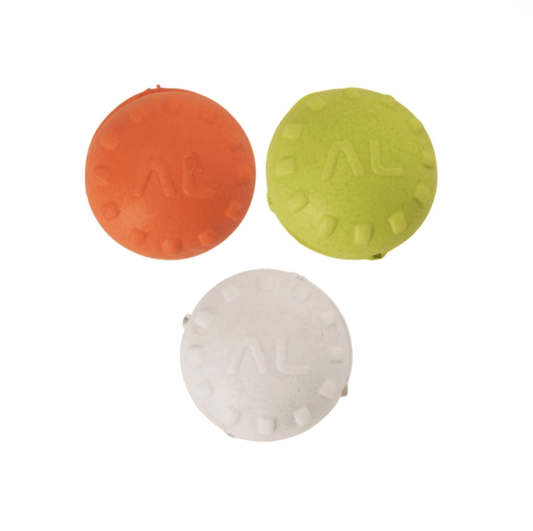
Once the indicator is positioned, add your desired length of tippet below it. You can connect it using a tippet ring, swivel, or a simple surgeon’s knot, whatever fits your setup best.
Rig #1: Dropper Tag for Split Shot
After tying in your tippet, measure roughly a foot and a half above where your fly will go. Create a loop by doubling your line over, and tie a double surgeon’s knot to form a secure tag. Trim one side short, leaving a 2–3 inch dropper tag hanging off your main line.
Here’s the trick: instead of crimping your split shot directly onto the main tippet which can weaken it, pinch the shot onto the dropper tag. That way, if your weight snags on bottom, it’ll simply slide off instead of breaking your whole rig. You lose a bit of lead, not your flies. It also means your main line stays strong and intact, and adjusting your weight is easy, just pop shot on or off as conditions change.
Rig #2: The Drop Shot Setup
The second option flips the system around and functions like a drop shot rig. Instead of the shot being above your fly, you crimp it to the bottom tag end.
Here’s how it works: tie your fly onto the dropper tag, Crimp your split shot onto the bottom of your tippet below that dropper.
This keeps the fly hovering just above the riverbed while your weight bounces along bottom. The advantage here is precise depth control. You know exactly how far off bottom your fly is riding, keeping it perfectly in the strike zone and reducing snags.
Because the weight anchors the system below the fly, your takes register directly on the indicator, producing crisp, vertical movement when a fish eats. It’s one of the most sensitive and effective ways to indicator fish for steelhead in variable water depths.
Fine-Tuning for Conditions
Both rigs are highly adjustable. You can vary your tippet length based on water depth, play with tag length for fly movement, or swap out shot sizes depending on flow. Each method helps you stay in control of your depth and drift, two of the most critical factors for successful indicator fishing.
Final Thoughts
Indicator rigs don’t need to be complicated, but the right setup can save you a pile of flies and keep your drift dialed in longer. Both of these methods minimize line damage, maintain flexibility, and help you stay right in the zone, where the fish are.
If you want to get set up with the right indicators, leaders, or weight systems, come by the shop or get in touch, we’re happy to walk you through what’ll work best for your home waters. Good luck out there this fall, and we’ll see you on the water.