When anglers think about essential gear, rods, reels and fly lines usually get all the attention. But after your rod and reel, few pieces of equipment will have a bigger impact on your success than a quality pair of polarized sunglasses.
Good fishing sunglasses do far more than simply shield your eyes from the sun. They protect you from errant hooks, reduce eye fatigue during long days on the water, and—most importantly—allow you to see beneath the surface. Whether you're spotting cruising carp, identifying submerged weed beds, picking apart river structure, or locating drop-offs, the right pair of sunglasses can literally help you find more fish.
Not all polarized sunglasses perform the same, however. Lens colour, fit and lens quality all play an important role in how well they'll perform in different conditions. Here's what to look for when choosing your next pair.
Why Polarization Matters
Every pair of fishing sunglasses we carry from Smith and Costa features polarized lenses, and for good reason.
Polarization dramatically reduces glare reflected off the water's surface, allowing you to see through the reflection instead of looking at it. The result is better visibility, less eye strain, and a much easier time spotting fish, underwater structure and changes in depth.
Many of the premium models also feature glass lenses, which offer exceptional optical clarity while providing excellent scratch resistance for years of use on the water.
Once you've experienced a high-quality polarized lens, it's difficult to go back.
Choosing the Right Lens Colour
While every lens is polarized, the colour of the lens dramatically changes how it performs in different lighting conditions.
Rather than thinking about dozens of individual lens options, it helps to group them into three broad categories.
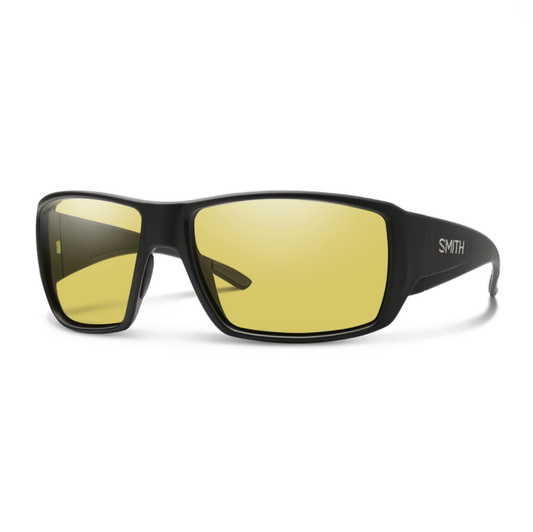
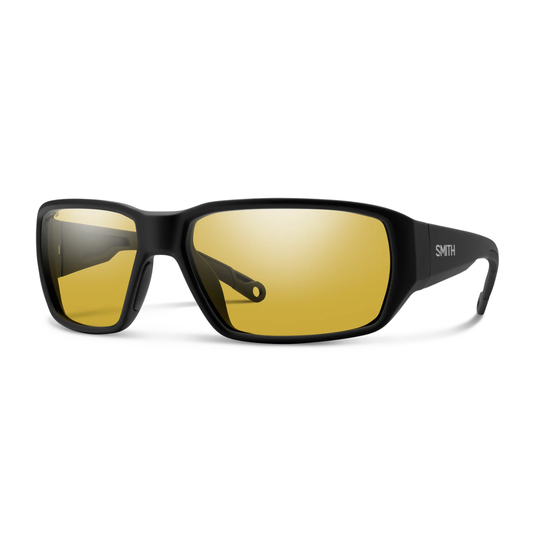
Light Lenses: Perfect for Low-Light Fishing
Yellow and low-light lenses are ideal for:
- Early mornings
- Late evenings
- Cloudy days
- Shaded rivers and creeks
One common mistake anglers make is choosing lenses that are too dark for these conditions. While dark lenses reduce brightness, they can also reduce the contrast needed to distinguish fish from rocks, weeds, or the river bottom.
A lighter tint maintains excellent colour separation while still cutting glare, making it much easier to read the water.
These have become some of our favourite lenses for river fishing because they perform exceptionally well whenever the sun isn't directly overhead.
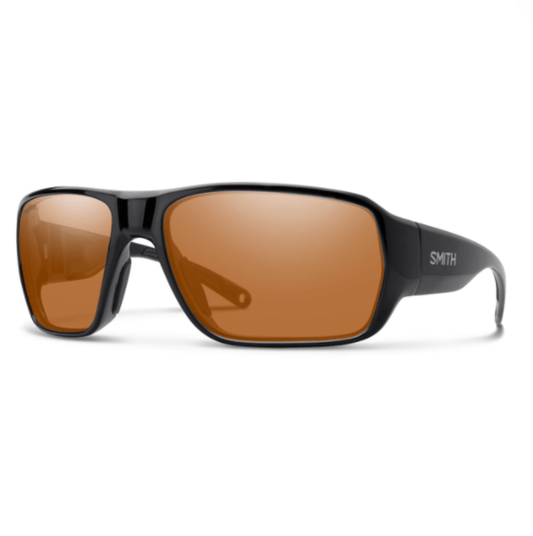
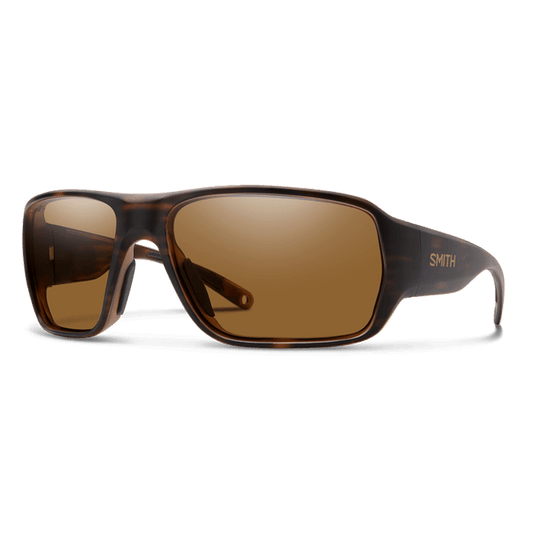
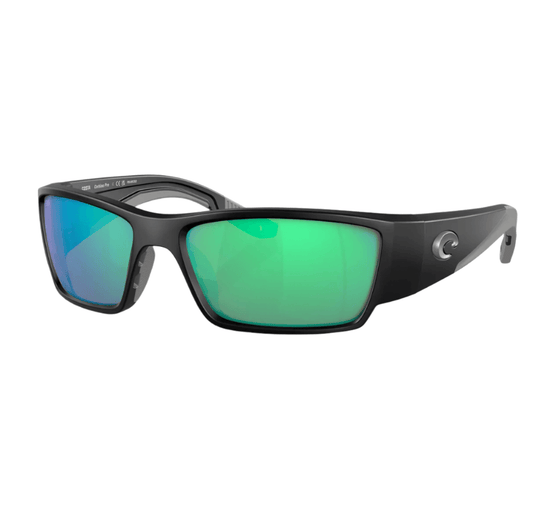
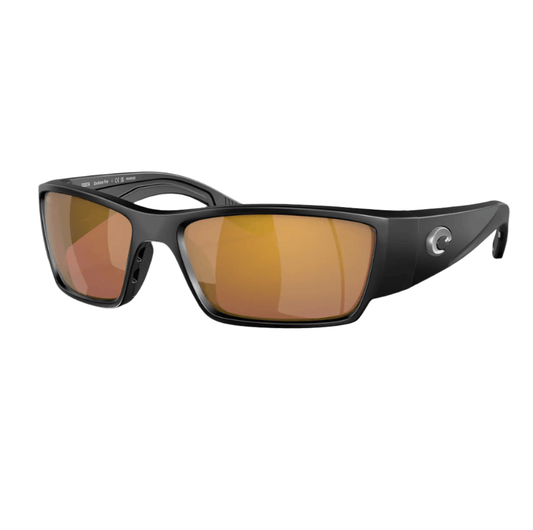
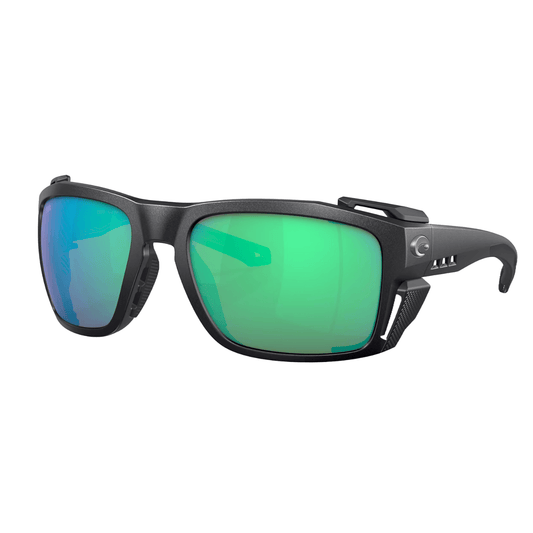
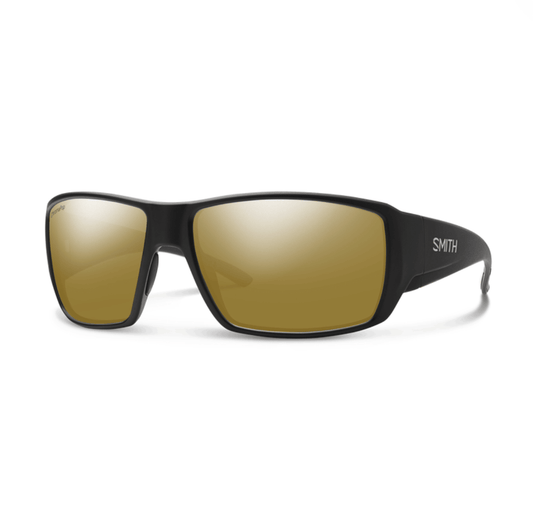
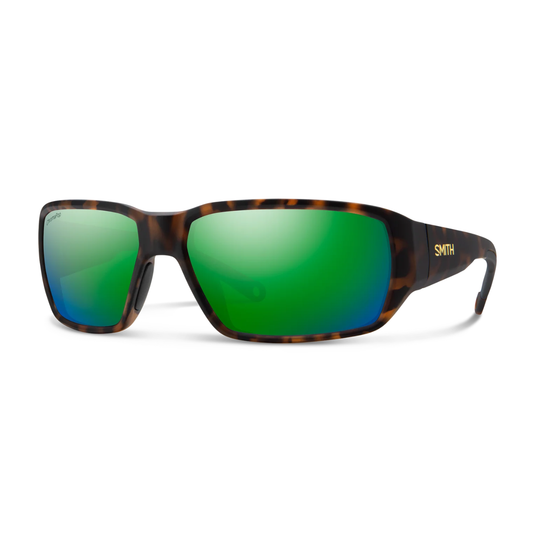
Bronze, Copper, Green Mirror and Amber: The Most Versatile Choice
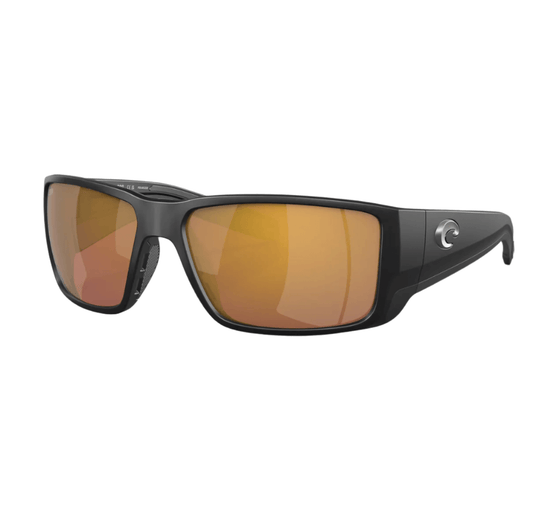
If you're only planning to own one pair of fishing sunglasses, a bronze, copper or amber lens is probably the best place to start.
These lenses strike an excellent balance between brightness reduction and contrast, making them comfortable across a wide range of conditions.
They're ideal for:
- Rivers
- Inland lakes
- Sight fishing
- General freshwater use
- Most daytime conditions
Even under bright midday sun, these lenses maintain excellent depth perception and colour definition, helping you distinguish structure and fish beneath the surface.
For most anglers fishing southern Ontario, this is the lens colour that offers the greatest versatility throughout the season.
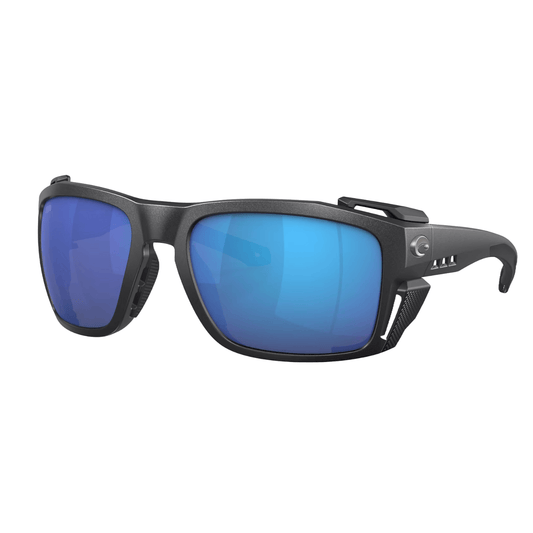
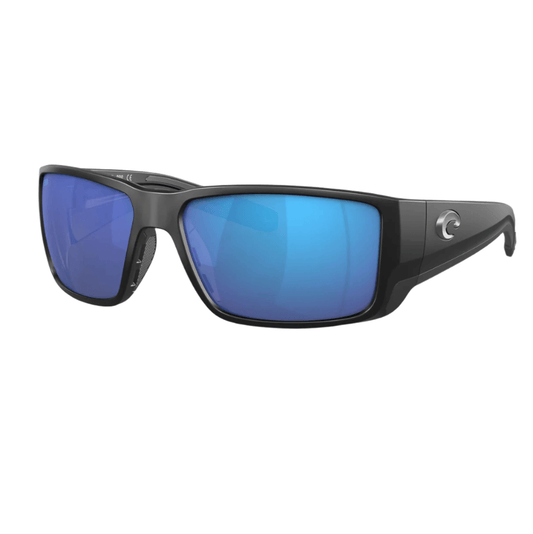
Blue and Grey Lenses: Built for Bright Conditions
At the darkest end of the spectrum are blue and grey lenses.
These lenses transmit the least amount of light and excel when fishing in extremely bright environments such as:
- Open water on the Great Lakes
- Offshore ocean fishing
- Snow-covered landscapes
- Long days on highly reflective water
Their darker tint makes them incredibly comfortable under intense sunlight, but that same darkness can reduce contrast in smaller rivers and inland lakes.
If most of your fishing happens on local rivers or smaller lakes, these probably aren't the first lens we'd recommend. However, for anglers spending time on big water—or simply looking for excellent driving sunglasses—they're an outstanding option.
Fit Matters!
Even the highest-quality lens won't perform properly if the frame doesn't fit your face.
Unlike fashion sunglasses, performance fishing glasses are designed to seal out as much stray light as possible.
When trying on a pair, look for a frame that fits closely around:
- The sides of your face
- Across your brow
- Around the bridge of your nose
Any gaps allow sunlight to enter from behind the lens, creating reflections that bounce back into your eyes and reduce the very clarity you're trying to achieve.
A well-fitting frame also improves your peripheral vision and keeps the glasses securely in place whether you're casting, hiking, rowing or running a boat.
Because everyone's face is different, fit is highly personal. That's why we always recommend trying on a few different models before making your decision.
One Pair or Two?
Many anglers fish successfully with a single pair of bronze or amber lenses throughout the year.
If you spend a lot of time on the water, however, adding a second pair for low-light conditions can make a noticeable difference. Swapping to a lighter lens on overcast days, shaded rivers or evening fishing sessions helps maintain contrast and keeps your eyes more comfortable as light levels change.
It's a small upgrade that can pay off every time you're trying to spot subtle structure or cruising fish.
Find the Right Pair
Polarized sunglasses are one of the few pieces of gear that improve both your comfort and your ability to catch fish. Choosing the right lens colour for the conditions—and finding a frame that fits properly—can dramatically improve your time on the water.
If you're unsure which model is right for your fishing, stop by the shop and try a few pairs on. We carry premium options from both Smith and Costa and are always happy to help you find the lens and fit that best matches the way you fish.
See you on the water!
Chris Krysciak - Manager
Drift Outfitters & Fly Shop