But if there's one simple adjustment that consistently helps anglers catch more fish on these busy lakes, it's timing your fishing around boat traffic. On heavily used lakes, understanding how recreational activity affects bass behaviour can dramatically improve your success.
Why Timing Matters on Cottage Lakes
Unlike quieter inland lakes, destinations like Muskoka and Georgian Bay see constant summertime activity.
By mid-morning, many lakes are filled with wake boats, water skiers, swimmers, & pleasure boats. While this doesn't stop bass from feeding, it does change where they're willing to spend their time.
Learning to fish around these daily movements is one of the easiest ways to consistently catch more fish.
Early Morning: The Best Shallow Water Bite
The first few hours after sunrise are often the most productive part of the day. With calm conditions, lower light, and very little boat traffic, smallmouth move into shallow water to feed aggressively.
Target areas such as:
- Rocky shorelines
- Shallow points
- Weed edges
- Docks
- Boulder fields
If your cottage sits on a rocky shoreline, there's a good chance bass are cruising those areas before the rest of the lake wakes up.
What Happens Once the Lake Gets Busy?
As boat traffic increases, bass don't necessarily stop feeding, they simply relocate.
The constant noise, prop wash, and disturbance encourage fish to slide into deeper water or heavy cover where they feel more comfortable.
Instead of holding in three to six feet of water, they may move into:
- Quieter bays without boat traffic
- 10–15 foot weed edges
- Deeper rock piles
- Offshore structure
- Drop-offs adjacent to shallow flats
The fish are still catchable, but you'll need to adjust your presentation.
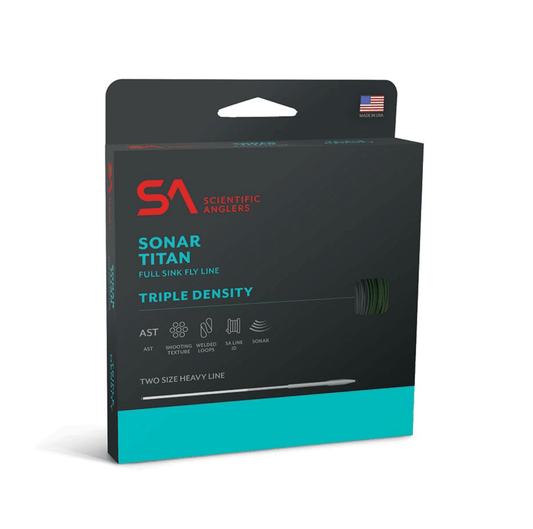
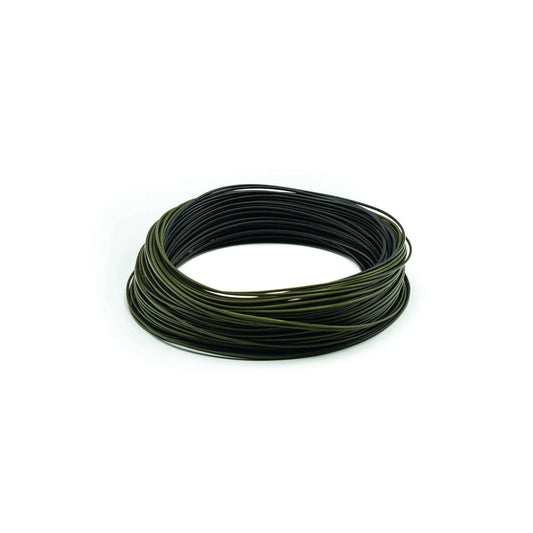
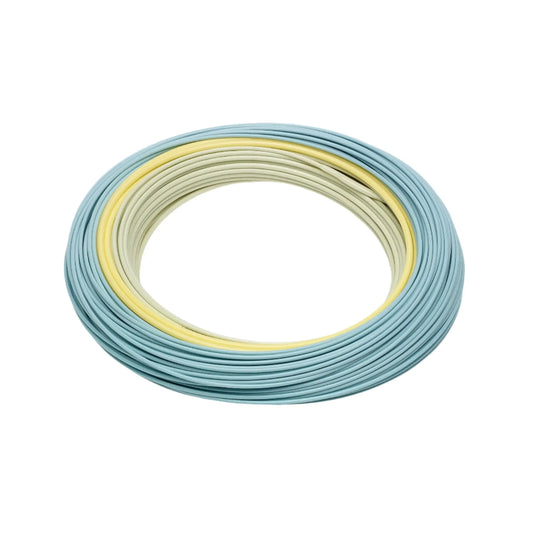
Switch to Sinking Lines During Midday
Once fish move deeper, floating lines become less effective.
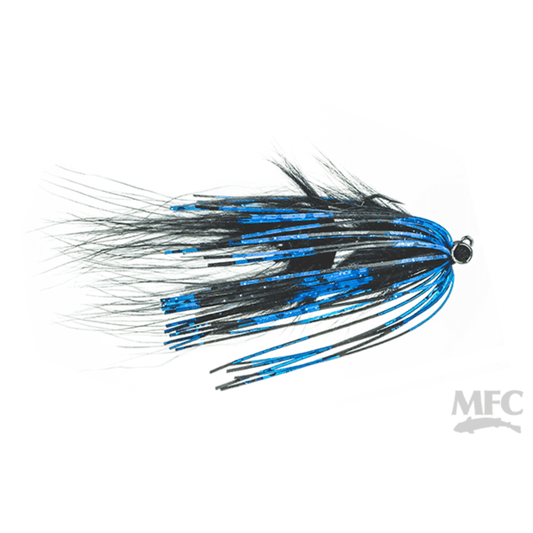
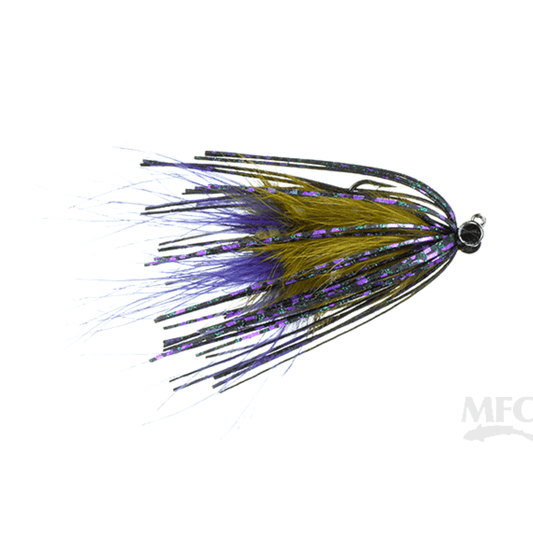
This is the perfect time to switch to a sinking line and fish flies that stay closer to bottom.
Excellent choices include:
- Clouser Minnows
- Minnow patterns
- Crayfish patterns
Cover deeper weed lines and submerged structure thoroughly. Bass often remain grouped together during the middle of the day, and once you locate them, the action can be excellent.
The Evening Bite Is Just as Good!
As cottages quiet down and recreational traffic begins to disappear, bass move shallow once again.
This evening window can be every bit as productive as the morning.
Return to:
- Docks
- Rocky shorelines
- Weed beds
- Shallow flats
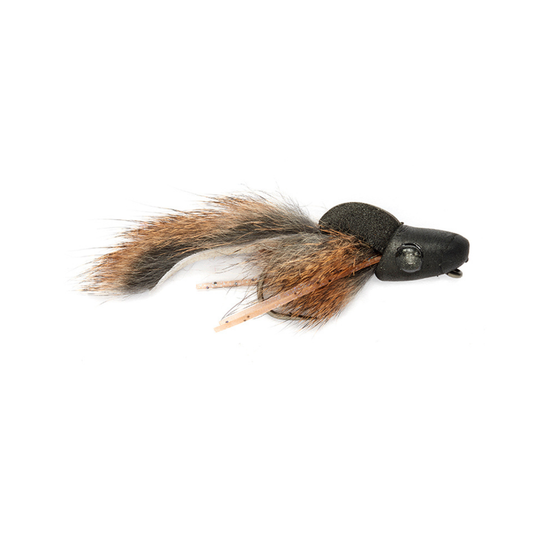
Surface fishing often shines during these low-light conditions.
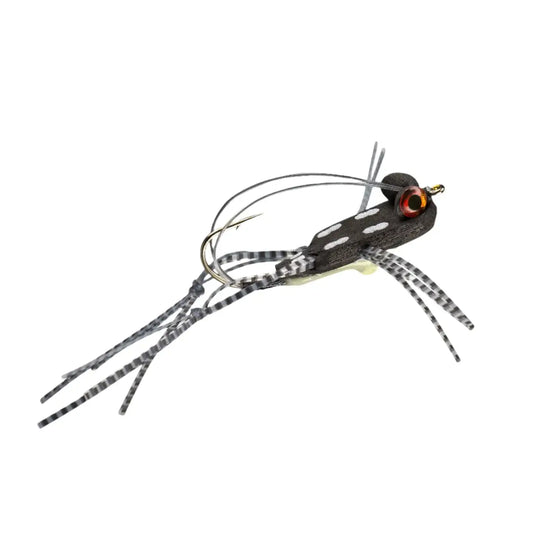
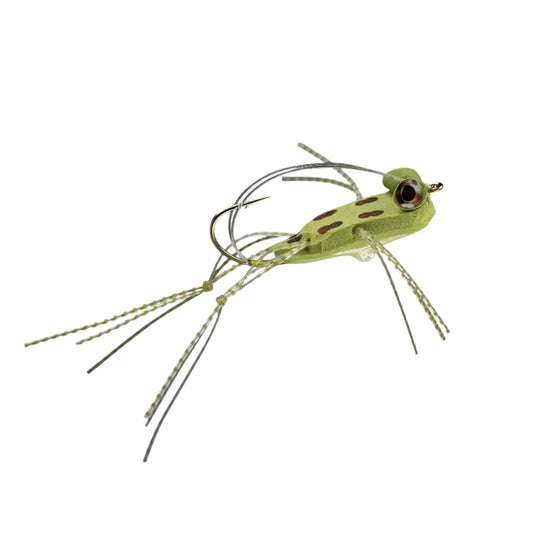
Poppers, frogs, and other topwater flies can produce explosive strikes right up until dark.
With daylight lasting well past 9:00 p.m. during the summer, anglers have plenty of time to enjoy an extended evening session.
The Ideal Cottage Fishing Schedule
If you're fortunate enough to have a cottage on one of these lakes, consider structuring your day around the fish's preferences.
A simple schedule might look like this:
- Fish at sunrise until around 9:00 a.m.
- Return to the dock to enjoy breakfast while boat traffic peaks.
- Relax during the hottest part of the day.
- Head back onto the water around 4:00 p.m.
- Fish through sunset and into the evening bite.
Not only will you catch more fish, but you'll also avoid much of the midday heat.
Don't Have a Cottage? You Can Still Take Advantage
Even if you're making a day trip from the city, this strategy still works.
Instead of arriving mid-morning and fishing through the busiest part of the day, try adjusting your schedule.
Either:
- Arrive before sunrise and fish the morning bite for 4-5hr, or...
- Arrive later in the afternoon and fish until dark.
Both approaches allow you to spend more time fishing during the periods when bass are naturally moving shallow and actively feeding.
Fish Smarter, Not Longer
One of the biggest mistakes anglers make during the summer is assuming they simply need to spend more hours on the water.
Often, catching more fish isn't about fishing longer—it's about fishing at the right time.
By matching your schedule to the daily movements of bass on busy cottage lakes, you'll spend more time targeting active fish and less time wondering where they've gone.
Summer smallmouth fishing in Muskoka, Georgian Bay, and other cottage-country lakes can be phenomenal, especially if you adjust your approach to changing lake conditions.
Fish the shallow morning bite, move deeper during the busiest part of the day, and finish with an evening topwater session as the lake settles down again.
It's a simple strategy, but one that consistently puts more bass in the net.
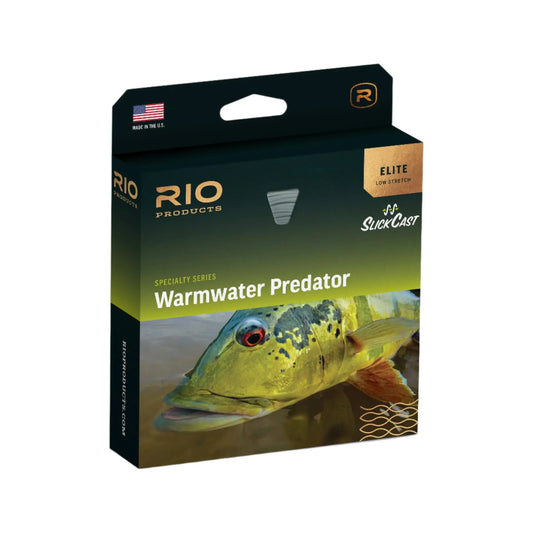
If you need help choosing the right fly lines, sinking setups, or fly patterns for your next trip, stop by the shop or get in touch with us. We'd be happy to help.
See you on the water.