If you fish many of our inland trout rivers, this is your last chance to get out and enjoy them before the season closes in the middle of next week. For those of you who fish primarily on weekends, that makes this coming weekend your final opportunity of the season.
And the good news is that the weather is lining up beautifully for trout.
One Last Weekend for Many Trout Rivers
Temperatures have dropped dramatically, with overnight lows now reaching the single digits and daytime temperatures remaining very comfortable. That means we can safely fish for trout throughout the day, rather than having to worry about the warm afternoon water temperatures we were dealing with earlier in the summer.
It has been an excellent September for trout fishing. We've had some really good fishing despite generally lower water levels, and while many of our rivers are now low and clear, there are still plenty of opportunities to find fish.
In fact, the low, clear conditions are making the way you fish particularly important.
Dry Flies in Low, Clear Water
One of the most productive approaches we've been seeing lately is dry-fly fishing.
This makes a lot of sense at this time of year. With clear water and increasingly cautious fish, a dry fly is a relatively subtle and non-intrusive way to present a fly. You're not putting a heavy nymph rig or indicator through the water column, and you're able to make a delicate presentation to fish that may be quite wary.
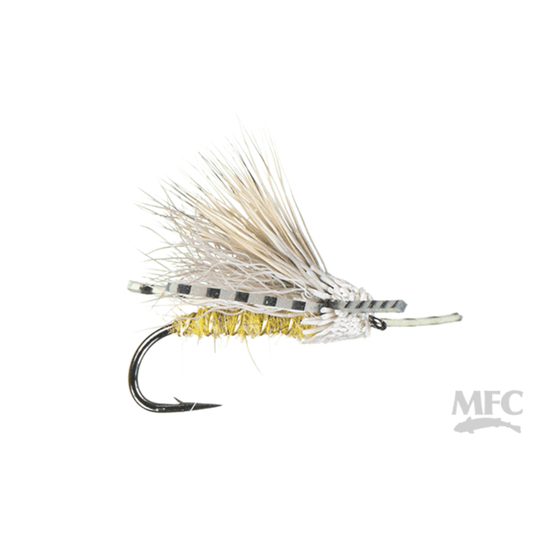
There are plenty of patterns worth having with you right now. Ants, small midges, BWOs and caddis are all good bets, and you can still mix in a few hoppers depending on the river and conditions.
On the nymph side, think small, drab and light.
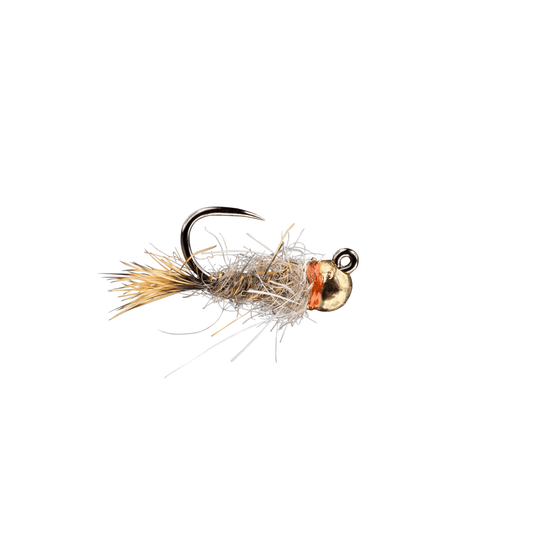
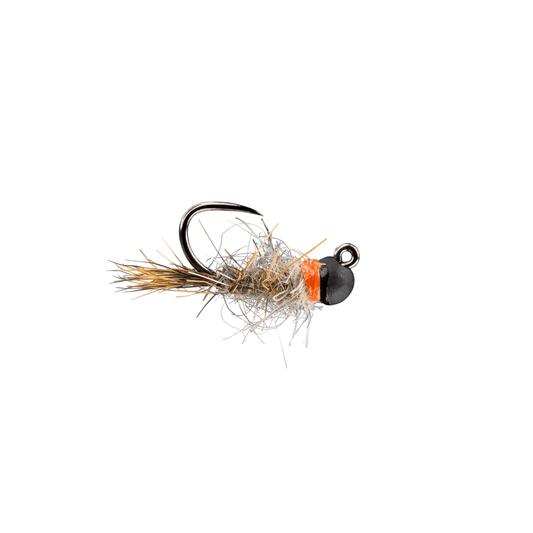
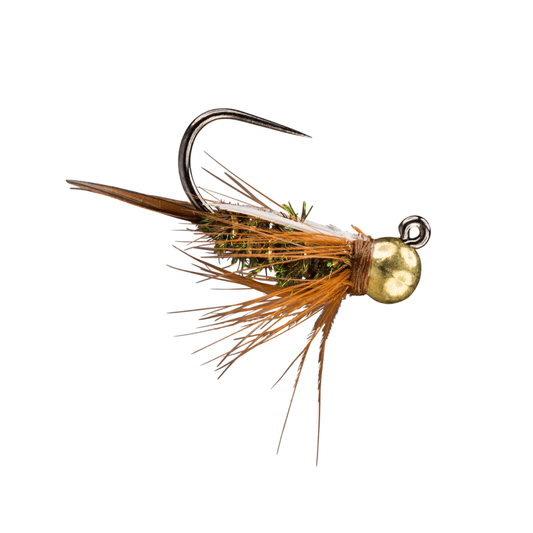
You generally don't need heavy flies in these low conditions, and getting away from large beads and heavily weighted patterns can help you make a more natural presentation. Small nymphs with 2 mm or 2.5 mm beads are a good place to start.
Where to Find Trout in Low Water
Finding the fish is only part of the equation right now. How you approach them is just as important.
In low, clear water, trout have an excellent view of what's happening around them. Rather than automatically focusing on the deepest, clearest pools, look for areas where fish can find some shelter and security.
Pool heads, riffles and pocket water can all be productive. Structure is another major consideration. Downed trees, larger rocks and other features that give a trout somewhere to tuck in can be particularly attractive.
A deep, clear pool might look like the obvious place to find a fish, but if a bird can see straight to the bottom, the trout knows it too. Fish will often position themselves somewhere that gives them both access to food and a little protection.
And in these conditions, your approach matters enormously.
Slow down before you get to the water. Keep a low profile, avoid unnecessary movement and think about where the fish are likely to be before you make your first cast. In clear water, it's very easy to spook a fish before you've even had a chance to present a fly.
This weekend, stealth is a big part of the game.
Salmon and Other Migratory Fish
Of course, there is also plenty happening with migratory fish.
We've had some very good salmon pushes over the past few days, particularly in our Lake Ontario systems. The rivers are still generally on the low side, and we're hoping for some additional rain later next week to bring water levels up again, but there are definitely still fish moving into the rivers.
Once again, those cold temperatures are playing an important role.
As the water continues to cool, more fish are being encouraged to leave the lake and move into suitable river systems. So even though we're dealing with lower flows, there is still a good opportunity to get out and find fresh fish.
Don't Be Afraid to Go Subtle
Fly selection for salmon is also worth adjusting to the current conditions.
With relatively low and clear water, smaller and more natural-looking patterns can be a great way to get a response from fish that have seen plenty of flies.
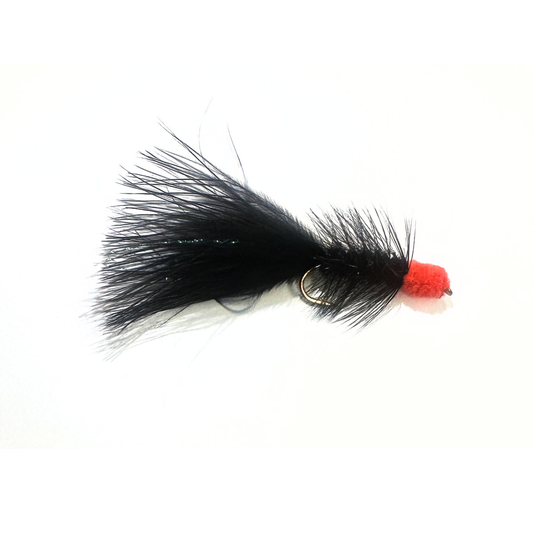
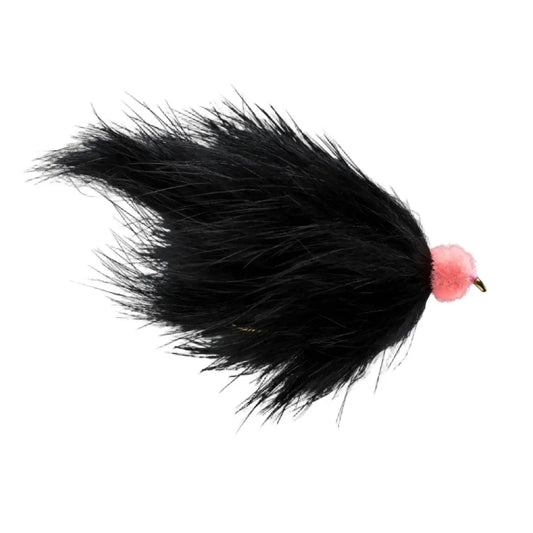
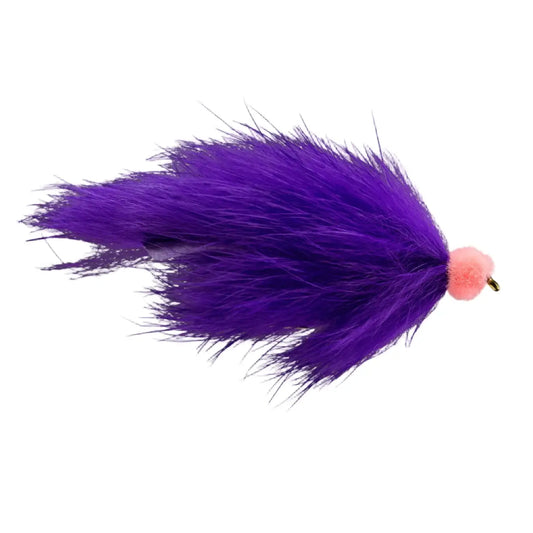
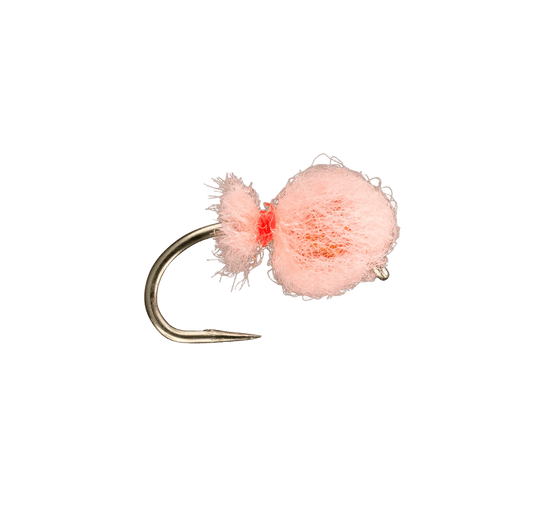
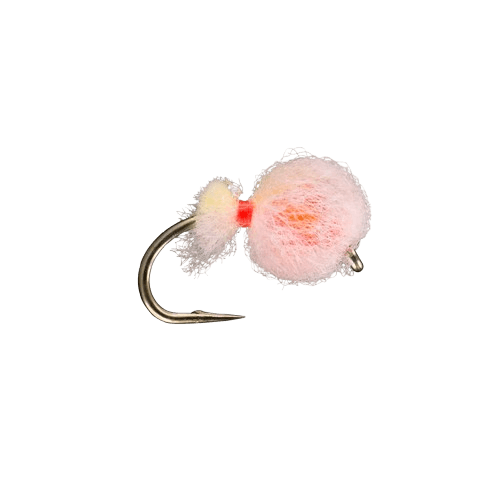
If you're fishing eggs, consider moving toward more muted colours and smaller sizes. Light pinks and other subtle egg patterns can be excellent when the water is clear.
Other good options include Woolly Buggers, Egg Sucking Leeches, small streamers and flesh flies. These can give the fish a completely different look from the standard egg presentation.
And that's something worth keeping in mind whenever you're fishing pressured salmon.
If everyone around you is throwing the biggest, brightest egg they can find and the fish aren't responding, try doing the opposite. Go smaller and more muted.
But the reverse is true as well. If subtle presentations aren't getting any attention, don't be afraid to change gears and show them something big, bright and aggressive.
Sometimes a completely different presentation is all it takes to get a fish to react.
Make the Most of the Final Weekend
For many inland trout anglers, this is the final opportunity of the regular season. The combination of cold temperatures, comfortable daytime conditions and active fish makes it a great way to wrap up what has been an excellent September.
Take advantage of the dry-fly opportunities, keep your nymphs small and light, and most importantly, slow down and approach the water carefully.
And if salmon are more your thing, there are still fresh fish moving into our Lake Ontario rivers. Keep an eye on water conditions, be prepared to adjust your fly selection, and don't be afraid to experiment with something different if the standard patterns aren't producing.
If you need any help figuring out where to go or what to fish this weekend, get in touch with us. We're always happy to help.
We'll see you on the river.