
Wiggle Lemming Fly


Montana Fly Co.
Wiggle Lemming Fly
Regular price
$11.95
Sale price
$11.95
Regular price
Cockroach Tarpon Fly


RIO
Cockroach Tarpon Fly
Regular price
$8.00
Sale price
$8.00
Regular price
$8.00
Pacchiarini's Jig Gandalf Pike Fly
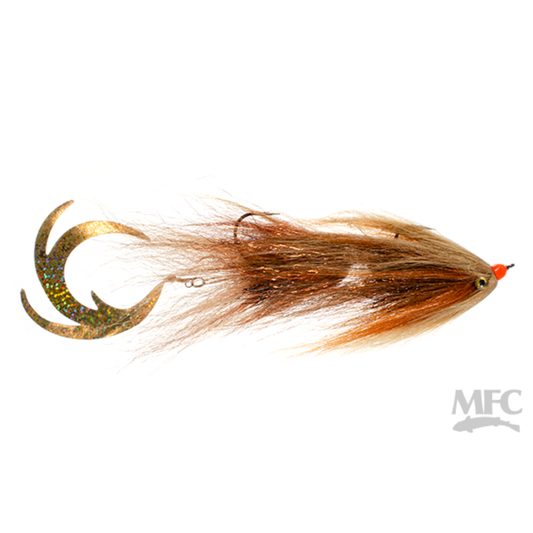
Montana Fly Co.
Pacchiarini's Jig Gandalf Pike Fly
Regular price
$34.95
Sale price
$34.95
Regular price
RIO's Student Loan Herring


RIO
RIO's Student Loan Herring
Regular price
$11.50
Sale price
$11.50
Regular price
$11.50
Pavlovich's Half Down Frog


Montana Fly Co.
Pavlovich's Half Down Frog
Regular price
$8.00
Sale price
$8.00
Regular price
$8.00
Hartley's Mouse Fly


Montana Fly Co.
Hartley's Mouse Fly
Regular price
$13.95
Sale price
$13.95
Regular price
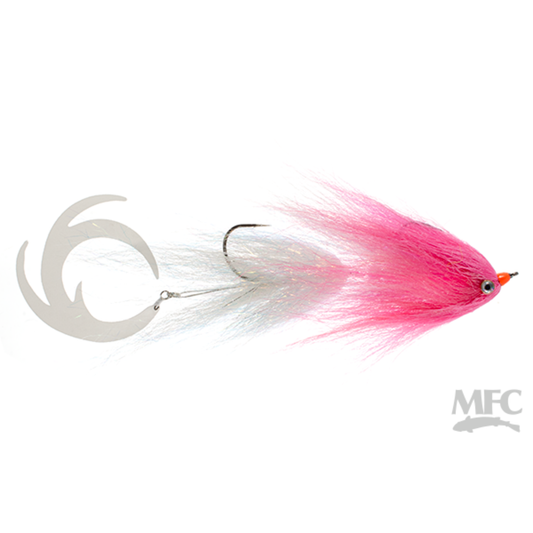
Pacchiarini's Discovery Baitfish Pike Fly


Montana Fly Co.
Pacchiarini's Discovery Baitfish Pike Fly
Regular price
$34.95
Sale price
$34.95
Regular price
Pike & Musky Flies – Big patterns for apex freshwater predators.
Our Pike and Musky Flies collection at Drift Outfitters & Fly Shop features oversized, durable patterns designed to move serious water and trigger violent strikes. Built with long synthetic fibers, flashy accents, and strong hooks, these flies perfectly imitate baitfish and other large prey that trophy pike and musky crave. Whether stripped fast across weedy bays, swung along structure, or worked deep with sinking lines, these flies deliver maximum action and durability. Ideal for Canadian lakes and rivers, they’re tied to withstand the crushing power of apex predators.
Pike/Musky Flies FAQ