Early season bass fishing often provides some of the best opportunities of the entire season to catch both numbers and trophy-sized fish. After months without angling pressure and fresh off the spawn, bass are hungry, aggressive, and actively feeding.
If you're planning to hit the water this opener or in the weeks ahead, these early season bass fishing tips will help you find more fish and maximize your success.
Why Early Season Bass Fishing Is So Good
One of the biggest advantages of fishing immediately after bass opener is the lack of fishing pressure. As a result, they tend to be less cautious and more willing to commit to aggressive presentations.
Combined with their increased feeding activity following the spawn, early season creates a unique window where some of the biggest bass of the year can be caught.
The key is understanding where those fish are located and how they're behaving.
Focus on Shallow Water First
Most bass are still closely associated with their spawning areas. Southern Ontario experienced a prolonged, cooler-than-normal spring, which delayed spawning activity across many lakes and rivers. Because of that, bass have remained in shallow water longer than usual.
Most fish should be off their nests by now, but they'll often stay close to the areas where they recently spawned.
Start by targeting:
- Shallow bays
- Protected coves
- Shoreline flats
- Backwater areas
- Warm, shallow sections of lakes
If you're not finding fish directly in those spawning areas, move just outside them and focus on nearby structure.
Target the First Drop-Offs and Weed Edges
As bass transition away from spawning habitat, they often stage on the first available structure adjacent to shallow water.
Some of the most productive locations include:
- First drop-offs outside spawning bays
- Emerging weed beds
- Rock transitions
- Dock systems
- Fallen timber
- Shoreline wood cover
Weed growth has been somewhat delayed on many lakes this year, so don't be surprised if traditional weed beds haven't fully developed yet.
If vegetation is limited, focus heavily on hard structure such as docks, wood, and rock. These areas provide both feeding opportunities and cover from predators and sunlight.
Cover Water and Find Active Fish
One of the biggest mistakes anglers make during early season is fishing too slowly. Under stable weather conditions, bass are generally active and willing to chase.
- Moving frequently
- Covering large sections of water
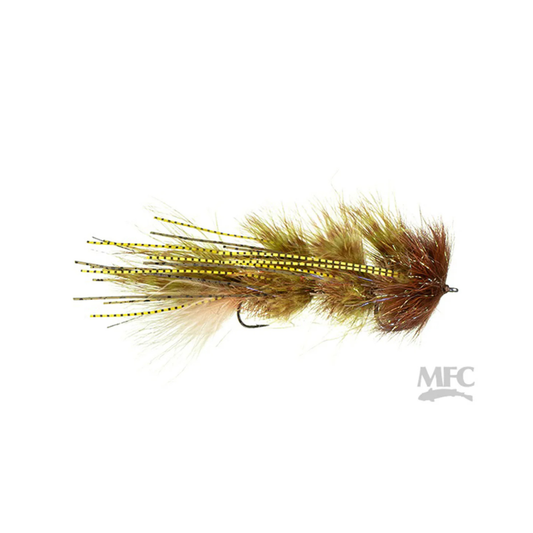
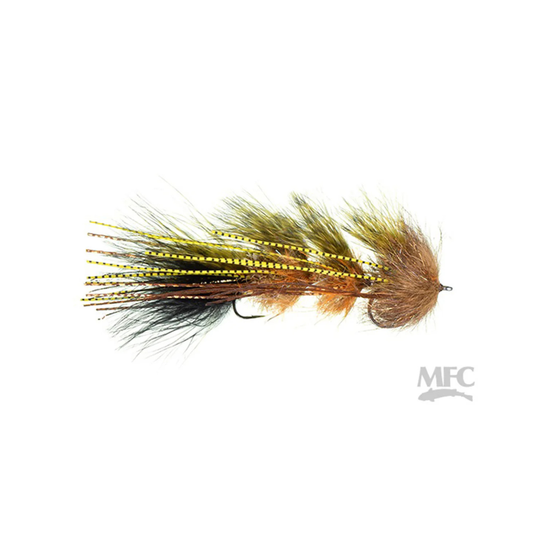
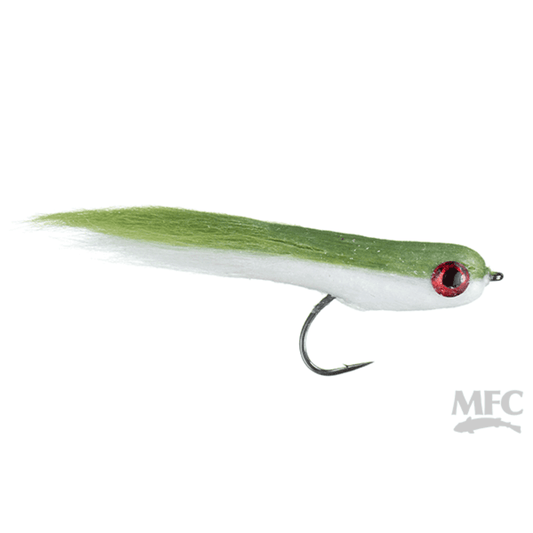
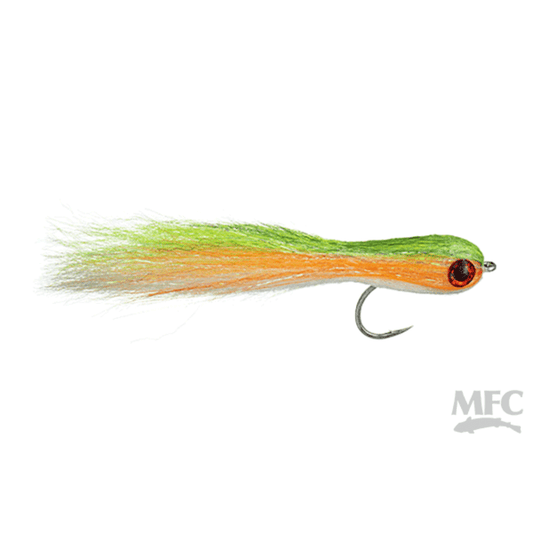
- Using search patterns (streamers)
- Fishing flies that attract attention
Don't be afraid to fish aggressively early in the day.
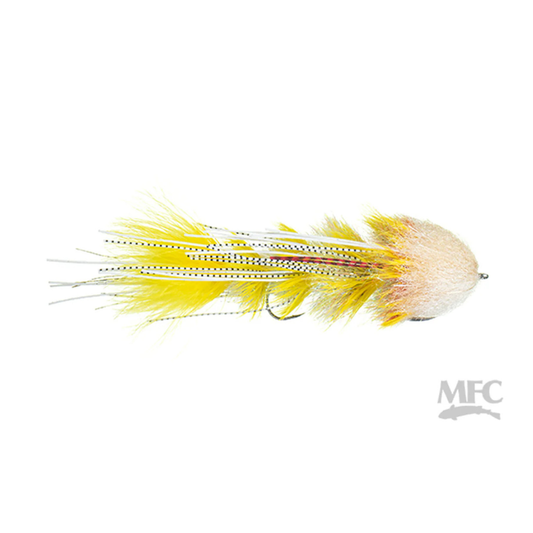
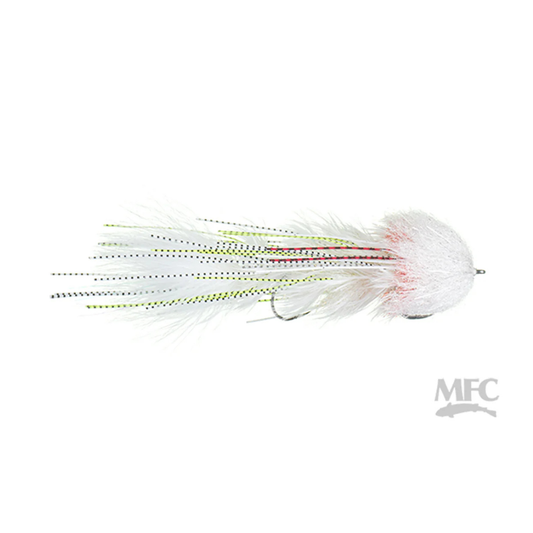
Large, bright, flashy flies can quickly reveal whether fish are present in an area. Even if fish don't immediately eat, follows and short strikes can help identify productive water and narrow down the pattern.
Once you've located fish, you can begin refining your presentation if needed.
Topwater Can Be Excellent Early in the Season
Many anglers associate topwater fishing with the middle of summer, but early season can produce fantastic surface action.
This is especially true in shallow bays, marshes, and areas with abundant frog activity.
Think about what you hear on warm spring evenings—frogs calling from nearly every shoreline marsh. Bass notice them too.
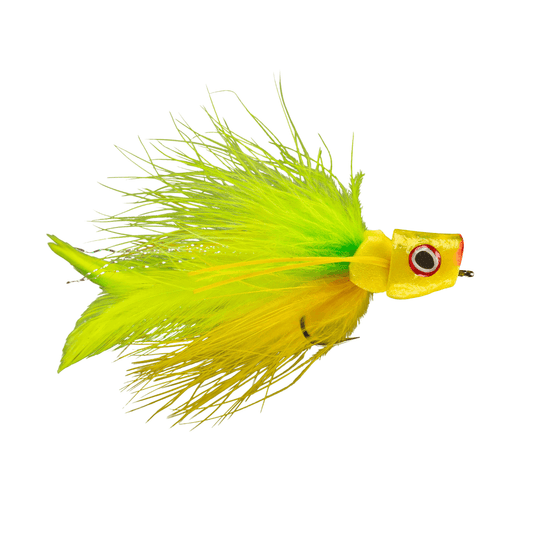
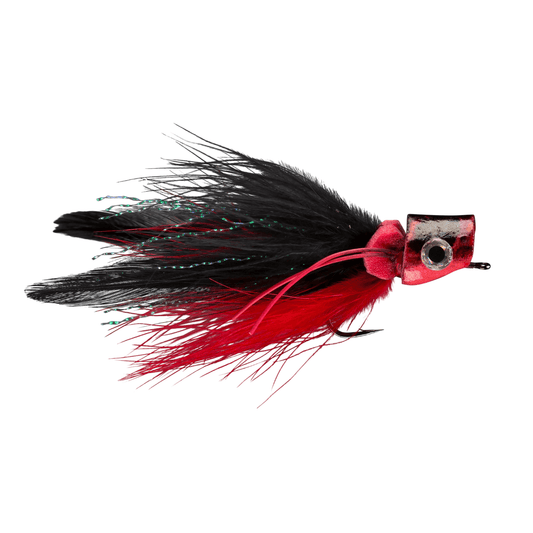
When fishing shallow, warm water, don't hesitate to throw:
- Poppers
- Divers
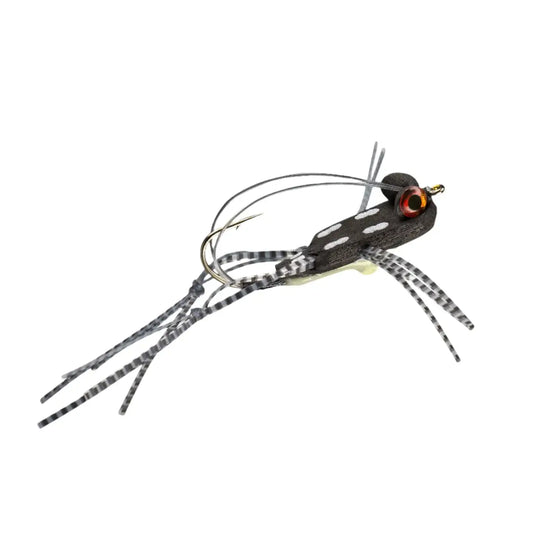
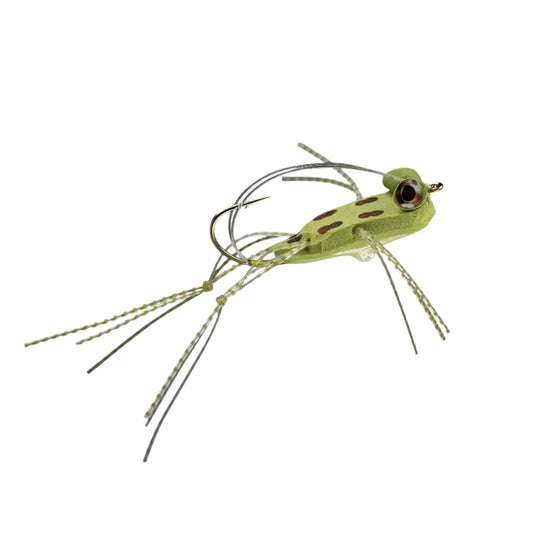
- Frog patterns
- Surface sliders
Bright, noisy flies can be particularly effective because they help fish locate your presentation in stained or shallow water.
If you're seeing frogs around the shoreline, bass are almost certainly looking for them as well.
Streamers Should Be Your Go-To Presentation
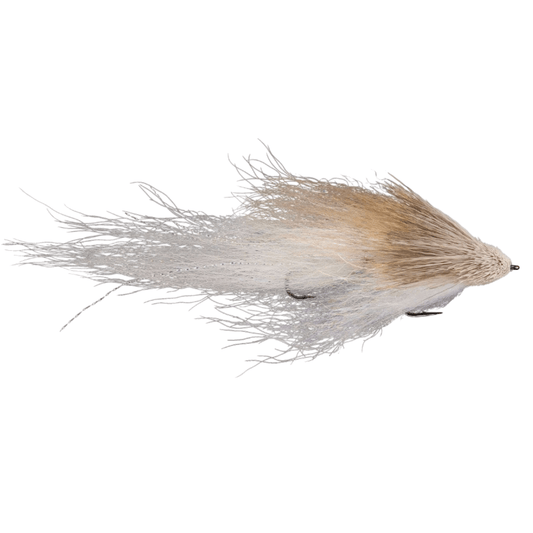
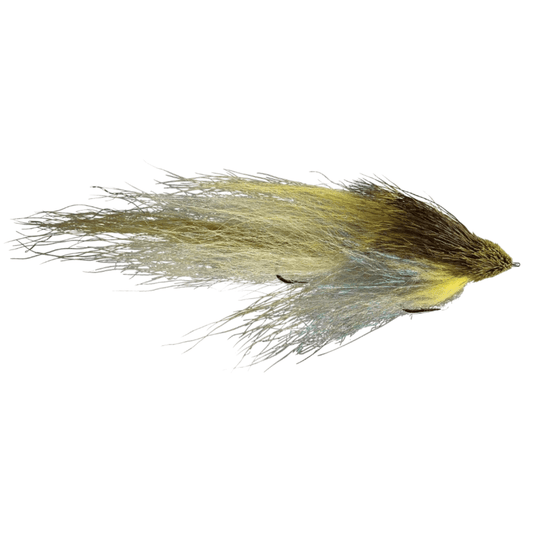
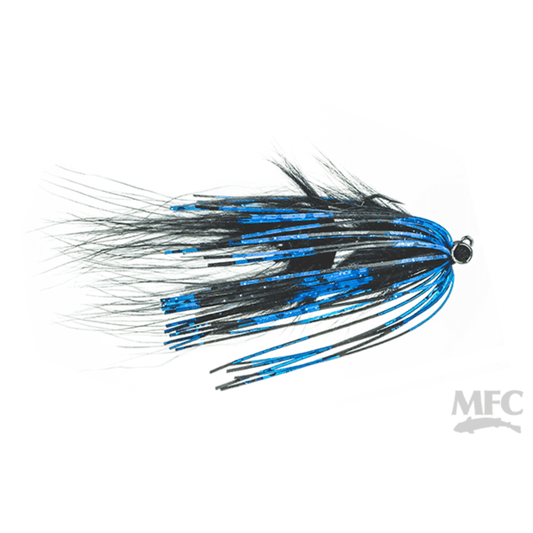
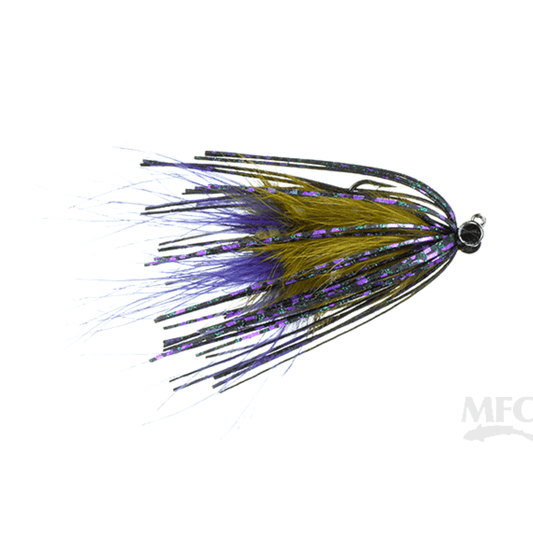
While topwater can be productive, streamers remain the most reliable option during early season.
Aggressive bass are often willing to chase larger meals, making streamers the perfect search fly.
Focus on patterns that create:
- Flash
- Vibration
- Movement
- Strong profiles
Colours that consistently produce include:
- Chartreuse
- Yellow
- Orange
- White
The goal is to create enough visibility and action to trigger aggressive responses from fish that are actively feeding.
Slow Down When Conditions Get Tough
Not every opener weekend brings perfect weather. Cold fronts, overcast conditions, or sudden temperature drops can reduce bass activity and make fish less willing to chase.
When that happens, switching to slower presentations can save the day.
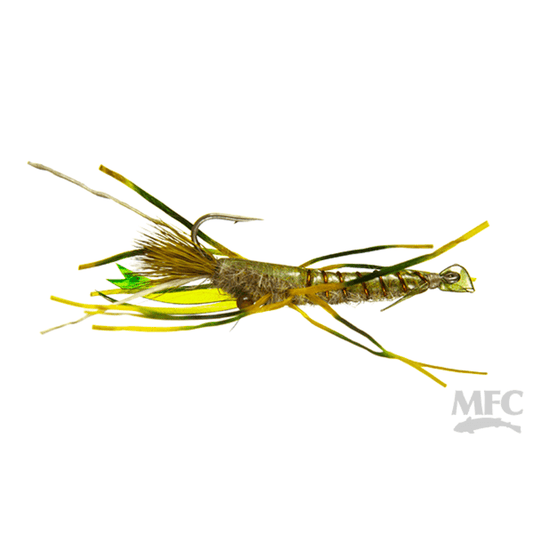
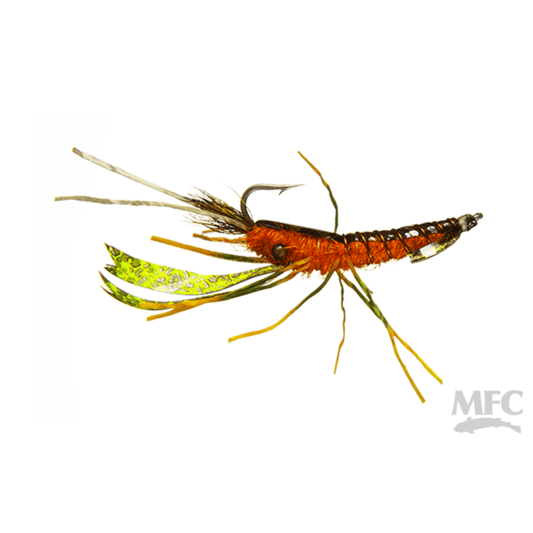
Flies that imitate:
- Crayfish
- Gobies
- Leeches
- Bottom-dwelling forage
can be worked slowly along the bottom and kept in the strike zone longer.
Instead of covering water quickly, focus on structure and methodically work productive areas.
Often, a slower retrieve is all that's needed to convert reluctant fish.
Adjust for Midday Sun
Bass may remain shallow throughout the day, but bright sunlight can change how they position themselves.
If fishing slows after a productive morning, don't assume the fish have left.
More often, they've simply moved into nearby cover.
Look for:
- Dock shadows
- Overhanging trees
- Fallen timber
- Weed clumps
- Deeper pockets adjacent to shallow flats
This is also a great time to switch to a weighted fly or a sinking line to get your presentation deeper into those shaded holding areas.
Many anglers experience a midday slowdown simply because they continue fishing the same depth they were fishing at sunrise.
A small adjustment can often bring the action right back.
The Outlook for Bass Season
Everything points toward an excellent bass season across Southern Ontario.
The delayed spring has kept fish shallow longer than usual, bass populations remain healthy across many fisheries, and opener conditions look stable enough to support active feeding behaviour.
Whether you're targeting largemouth in shallow weed-filled bays or searching for post-spawn smallmouth along rocky shorelines, now is one of the best times of the year to be on the water.
Find shallow structure, cover water efficiently, fish aggressively until the fish tell you otherwise, and don't overlook topwater opportunities when conditions are right.