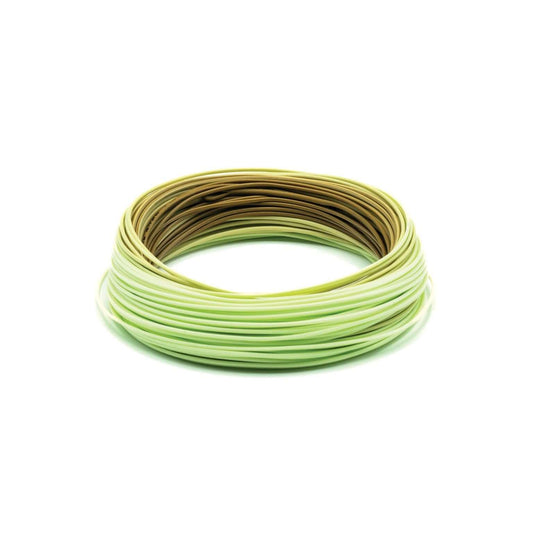
Fly rods tend to get all the attention, but when it comes to bass fishing, your fly line is a hugely important part of the setup. Bass live in an incredible range of habitats, eat a huge variety of flies, and can be found from inches of water all the way out to deeper weed edges and structure. Having the right line for the conditions can make a dramatic difference in both casting performance and catch rates.
Why Fly Line Matters So Much for Bass
Bass are unique because there is no single way to fish for them.
One day you might be throwing poppers into less than a foot of water. The next, a cold front may push fish deeper and require a sinking line to effectively reach them. Add changing water temperatures throughout the season, and suddenly your choice of fly line becomes a major factor.
The good news is that you don't need a dozen different lines. Understanding a few key categories will cover the vast majority of situations you'll encounter.
Start With a Floating Line
If you're building a bass setup from scratch, a floating line should be your first purchase.
Floating lines are by far the most versatile option. They'll handle poppers, frogs, deer hair bugs, baitfish patterns, crayfish imitations, and most of the flies anglers regularly fish for bass.
However, if you're looking to maximize your success throughout the season, adding a sinking line to your arsenal can be a game changer.
When a Sinking Line Makes Sense
Bass don't always stay shallow. During cold fronts, periods of heavy boat traffic, bright sunny days, or seasonal transitions, fish often slide deeper and become difficult to reach with a floating line.
While weighted flies help, there's only so much depth you can achieve when fishing them on a floating line. That's where sinking lines really shine.
A good sinking line allows you to:
- Reach deeper weed edges
- Fish drop-offs more effectively
- Maintain better depth control
- Present flies naturally to suspended fish
- Cover water more efficiently
If you've ever watched fish disappear from the shallows after a weather change, a sinking line is often the missing piece of the puzzle.
The Most Overlooked Factor: Water Temperature
When anglers choose bass fly lines, they often focus on taper and sink rate while overlooking one of the most important factors: temperature.
Bass fishing spans an enormous seasonal range. In early spring and late fall, water temperatures can be quite cool. By mid-summer, anglers may be fishing in air temperatures approaching 90°F (32°C) or more, with fly lines baking on hot boat decks all day. Traditional cold-water fly lines aren't designed for those conditions.
As temperatures rise, many cold-water lines become overly soft, leading to excessive tangling, poor shooting performance, & reduced durability.
Choosing a line designed for the temperatures you're fishing can dramatically improve performance.
If you're fishing early or late season bass, late fall you'll be fishing a coldwater line. Some of our favourite cold-water bass options include:
- Scientific Anglers Titan
- Scientific Anglers Titan Long
- Rio Predator
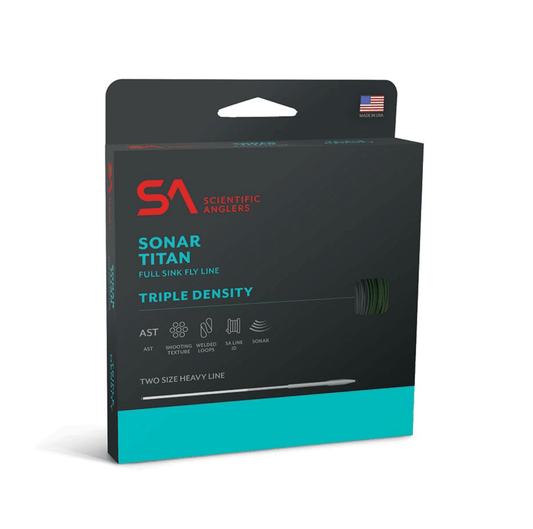
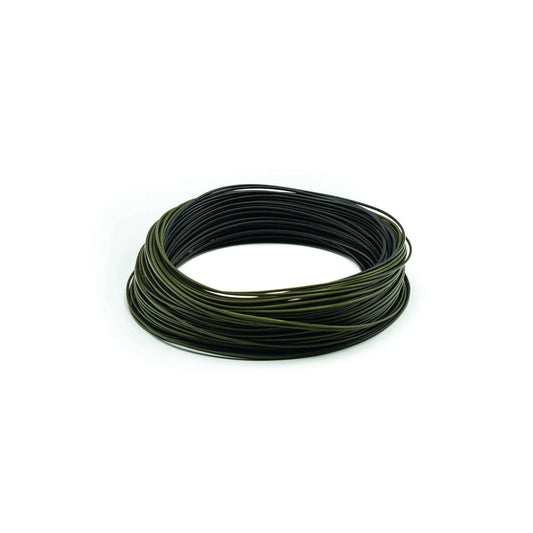
- Scientific Anglers Sonar Titan Series (sinking)
These lines perform exceptionally well during cooler conditions and provide plenty of power for turning over large flies.
Once summer arrives, dedicated warm-water lines begin to shine. These lines are built with stiffer cores and coatings that resist softening in high temperatures, allowing them to maintain their casting characteristics throughout the hottest days of the season. Some of our favourite warm-water options include:
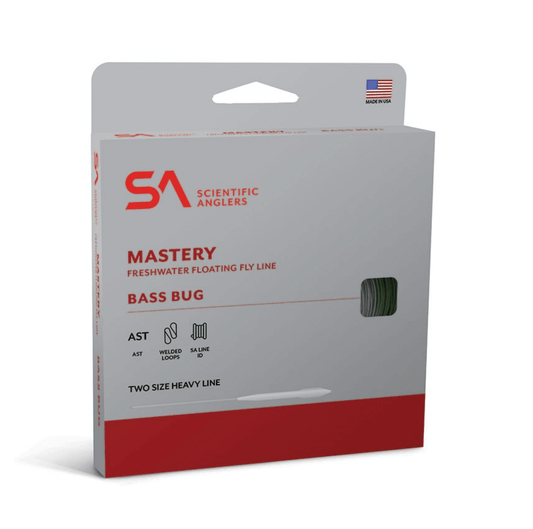
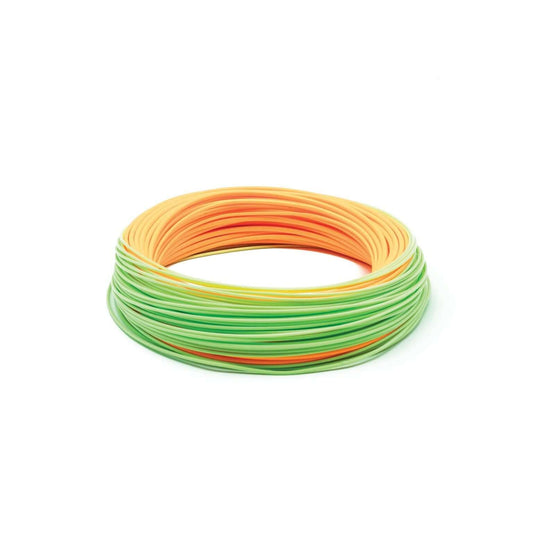
- Scientific Anglers Bass Bug
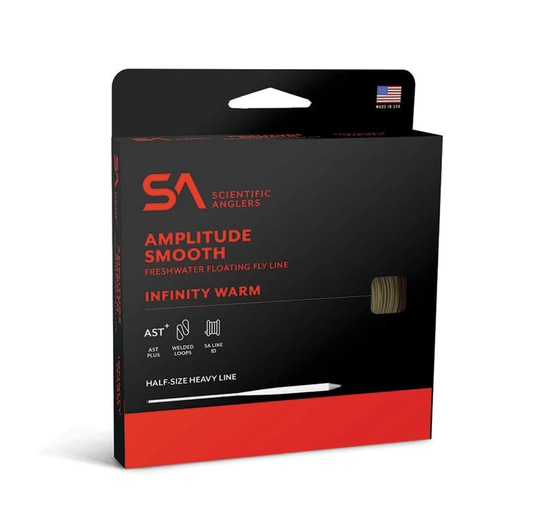
- Scientific Anglers Infinity Warmwater
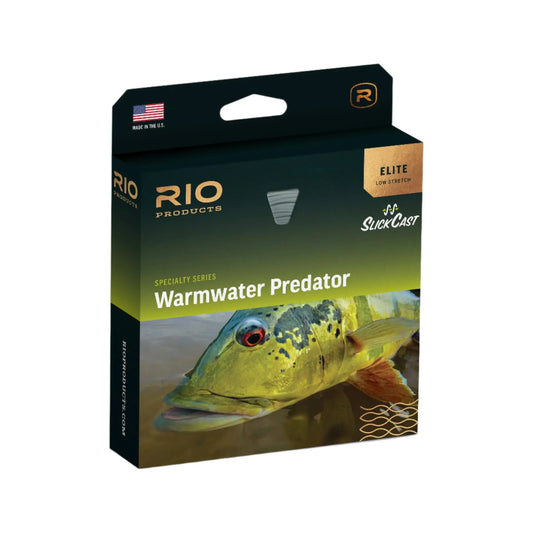
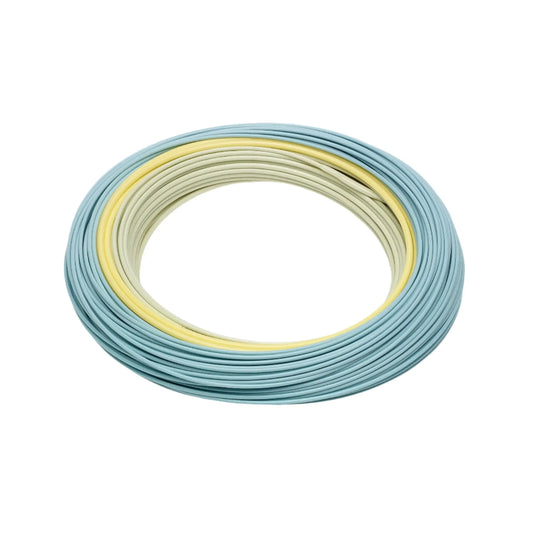
- Rio Warmwater Predator
For anglers throwing larger flies, the Bass Bug and Warmwater Predator offer powerful, aggressive tapers that make casting bulky patterns significantly easier. For anglers fishing smaller baitfish patterns, crayfish flies, or targeting species like carp alongside bass, the Infinity Warmwater offers a slightly more refined presentation.
When to Use a Saltwater Fly Line for Bass
If you're fishing during the absolute hottest days of summer, even dedicated warm-water bass lines can sometimes begin to soften. That's when tropical lines can become incredibly useful.
Lines designed for tropical saltwater environments are engineered to perform in extreme heat. They're designed to stay stiff, shoot efficiently, and resist tangling despite intense temperatures.
Excellent examples include:
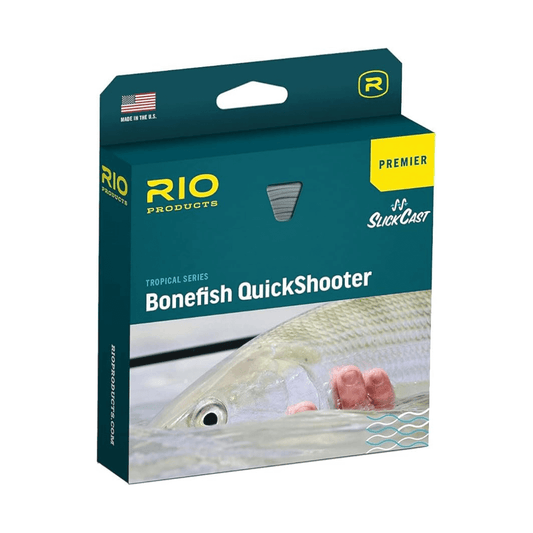
- Rio Bonefish QuickShooter
- Scientific Anglers Grand Slam
If you already own a saltwater setup, you may already have a fantastic midsummer bass line sitting in your gear room.
The only caveat is that these lines can become too stiff in cooler temperatures. They're best reserved for those true dog days of summer when conditions are at their hottest.
Building the Ideal Bass Line System
If we were putting together the ideal bass setup, it would include:
- A floating warm-water line for everyday summer fishing.
- A sinking line for deeper presentations.
- A cold-water line for spring and fall conditions.
Managing Multiple Fly Lines
Once anglers begin carrying multiple fly lines, another challenge emerges: how do you store and swap them efficiently?
Traditionally, the answer has been spare spools. While effective, spare spools can become expensive and add considerable weight to your gear bag. That's where cassette reels come in.
Cassette reels use lightweight interchangeable cartridges that hold individual fly lines. Instead of carrying multiple metal spools, you simply swap the cassette when conditions change.
Systems like the Guideline Nova Cassette Reel make it easy to carry floating, intermediate, and sinking lines without adding significant weight or expense.
For anglers who frequently switch between presentations throughout the day, they're one of the most practical pieces of gear available.
Final Thoughts
If there's one takeaway from all of this, it's that fly line matters.
A floating line remains the most versatile option for bass fishing, but adding a sinking line can unlock an entirely new set of opportunities. Just as importantly, paying attention to temperature-specific fly lines can dramatically improve casting performance and line management throughout the season.
As bass opener approaches, now is the perfect time to take a look at your setup and make sure you're equipped for the conditions you'll actually be fishing.
If you have questions about selecting the right bass fly line, stop by the shop or get in touch. We're always happy to help anglers dial in their gear before the season begins.