Hey folks, Chris here with your fishing forecast for July 9th, and we’ve had an awesome kickoff to bass season across the province. Now that we’re past the first Saturday of July, Lake Ontario is officially open for bass, which means bass fishing is open province-wide. It’s a great time to be on the water, and there are plenty of opportunities to get out there.
Bass: Open Across Ontario, Hot Everywhere
What we’ve been talking about the last few weeks still rings true for most inland lakes and rivers:
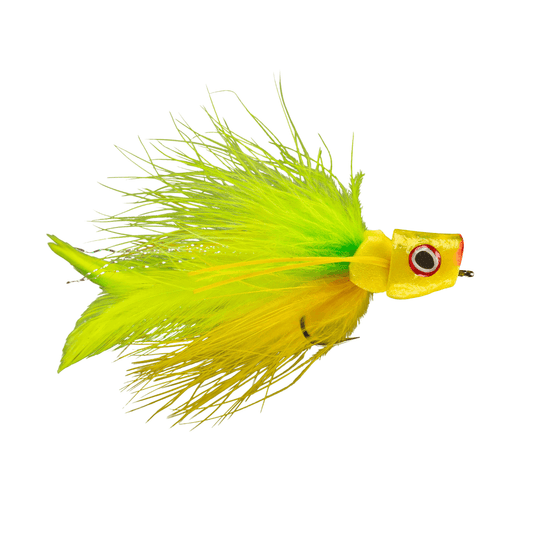
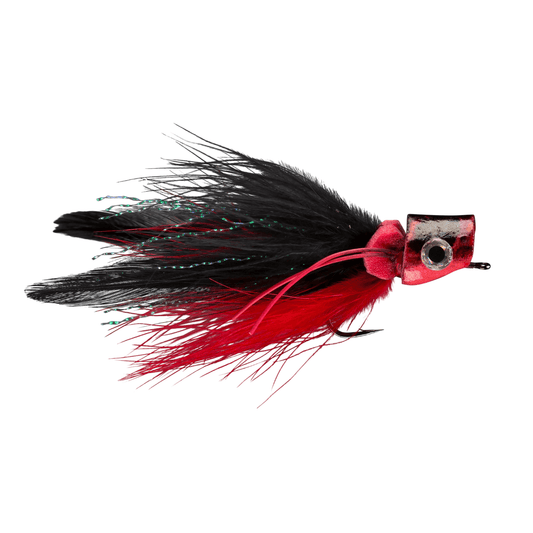
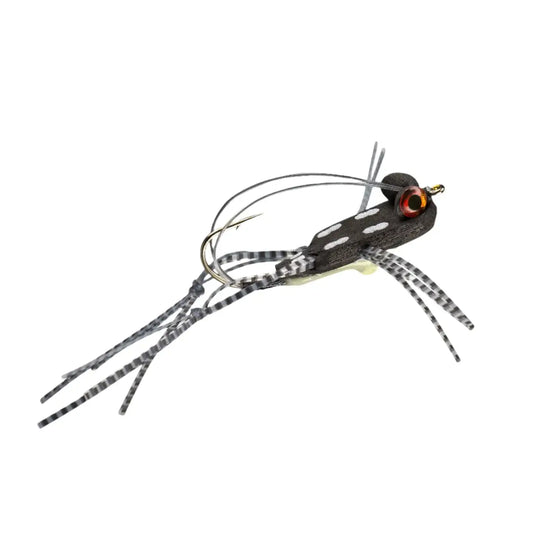
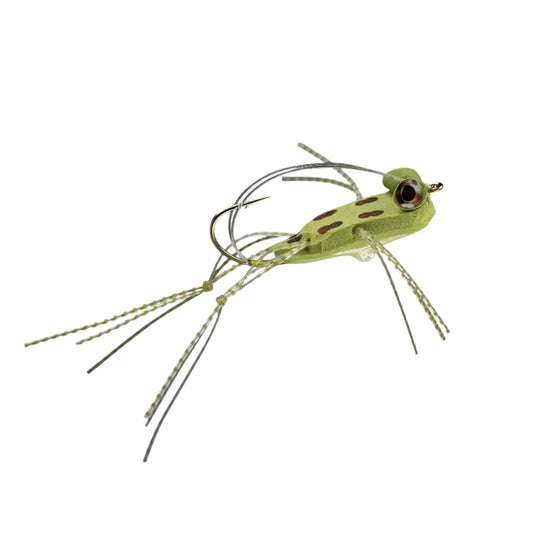
Topwater is on fire. This is prime frogging season, so don’t hesitate to tie on a surface pattern and start exploring weedy shallows. Crayfish and baitfish patterns are also performing really well, especially in shallow water areas near spawning zones. These post-spawn bass are still holding close to structure along the shorelines — things like fallen trees, submerged weeds, or rock edges.
Targeting Great Lakes Bass
With Lake Ontario and the other Great Lakes now open, a few new variables come into play. These systems have unique forage and slightly different behaviour patterns, so let’s take a closer look.
Baitfish Patterns
When it comes to baitfish, shiners are the main food source for bass in the Great Lakes. These are typically 3–4 inches long, with slim, silvery-white bodies and olive backs. Streamers that match that profile — like the one pictured — are a great choice.
If you need to get deeper, a Clouser Minnow is a classic option that performs very well in this scenario.
Goby Imitations
Perhaps the most important forage in the Great Lakes right now? Round Gobies. Yes, they’re invasive. Yes, they’re everywhere. But bass absolutely love them.
Here’s the trick — people often fish goby patterns too dark. While some gobies are dark (especially in rivers or around deeper rock), many of the ones we see in the limestone-bottomed areas of Lake Ontario and Georgian Bay are much lighter — think pale beige, tan, or even light grey.
A jigged rabbit fly in that range is ideal. You want:
- Something with weight to keep the fly close to bottom
- A profile that stays tight to rocks where gobies dart around
If you're fishing goby patterns, be sure to bounce them low and slow along the rocks — that's where the fish are hunting.
What About Trout?
It’s still a tough stretch for trout fishing on most freestone rivers like the Credit, Beaver, or Nottawasaga. These rivers are still running too warm, even with a bit of recent cooling. That said, there might be a very short window in the early morning, just around first light, where conditions are marginally fishable. We still recommend carrying a thermometer and calling it if things creep over 20°C (68°F).
The Grand River, on the other hand, continues to be a solid option.
Outflows from Shand Dam above Fergus are holding steady around 16°C and fishing is productive on the upper Grand, particularly between Fergus and Elora. As you head downstream toward Inverhaugh and beyond, temperatures rise quickly — avoid fishing in the lower river for trout.
As always, let us know if you need any help planning your next adventure and we'll be happy to help!